

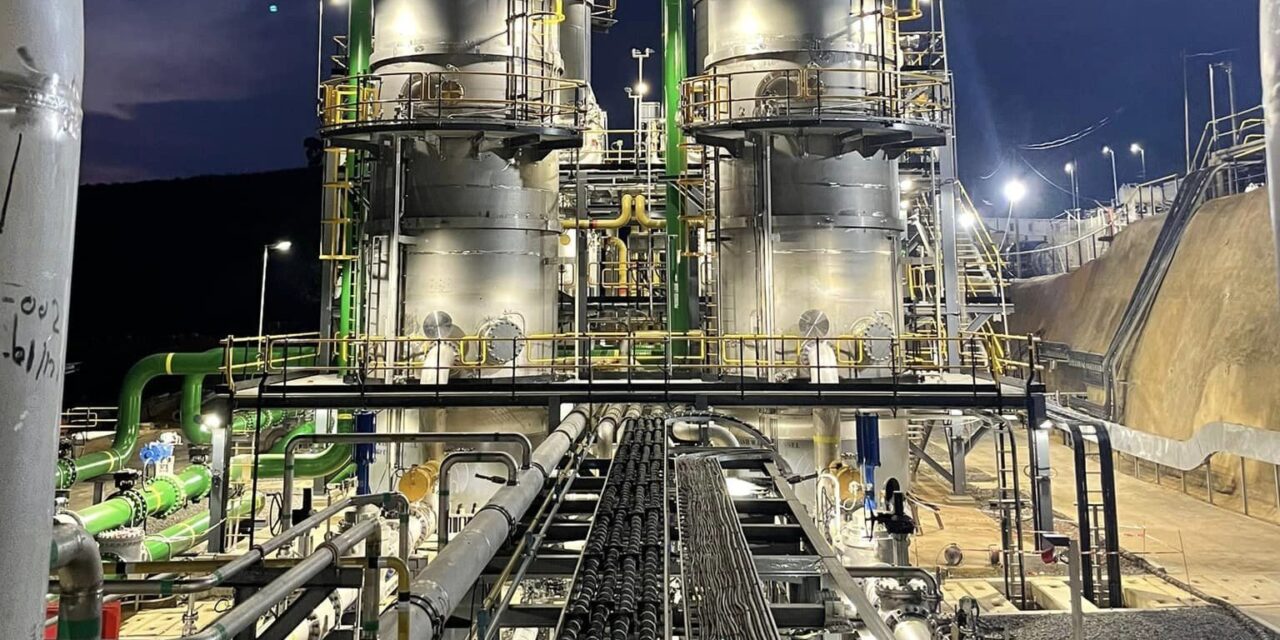
Lake Kivu methane gas in Rwanda — A fuel for heating, power generation, and, in its compressed form (CNG), as vehicle fuel.
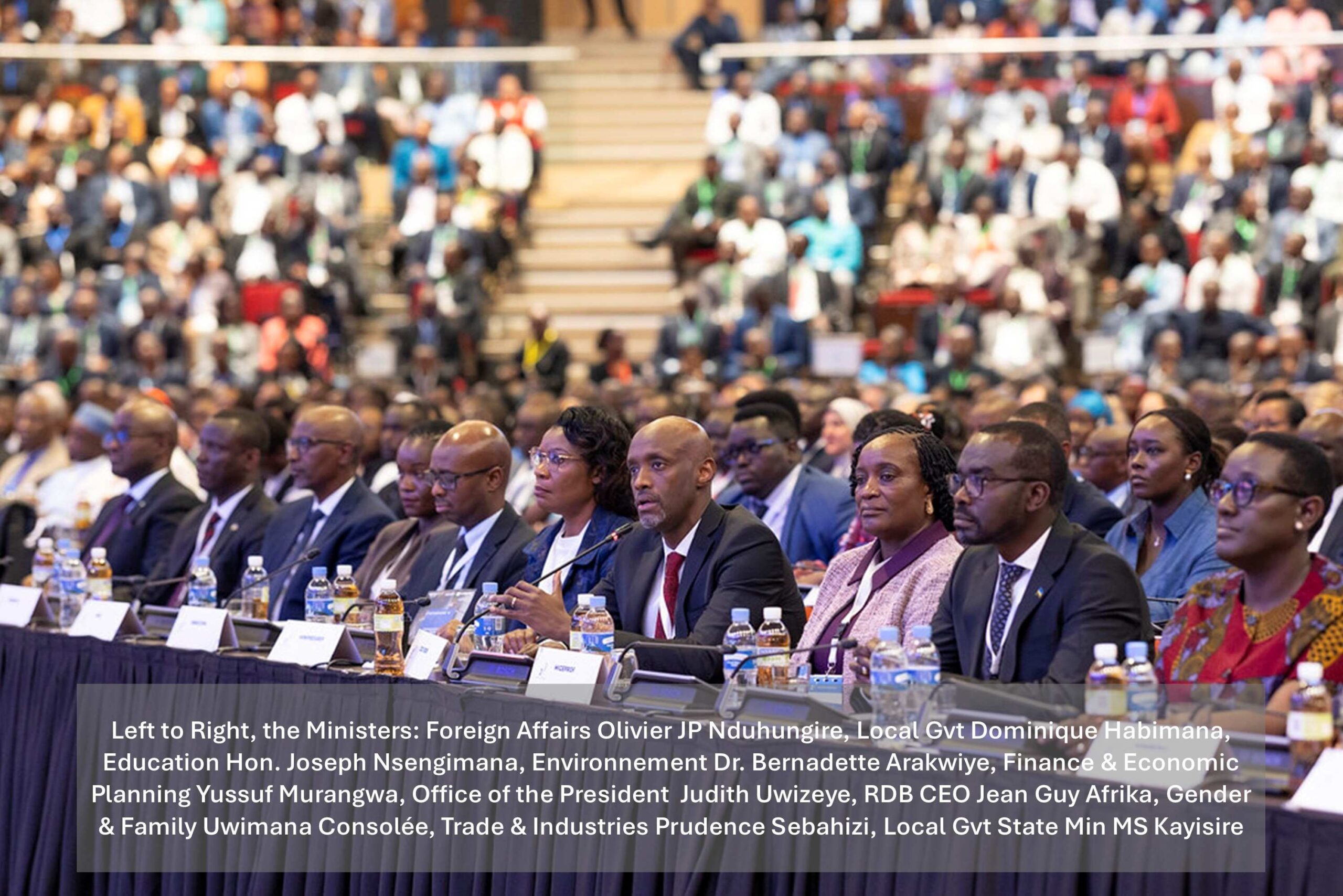
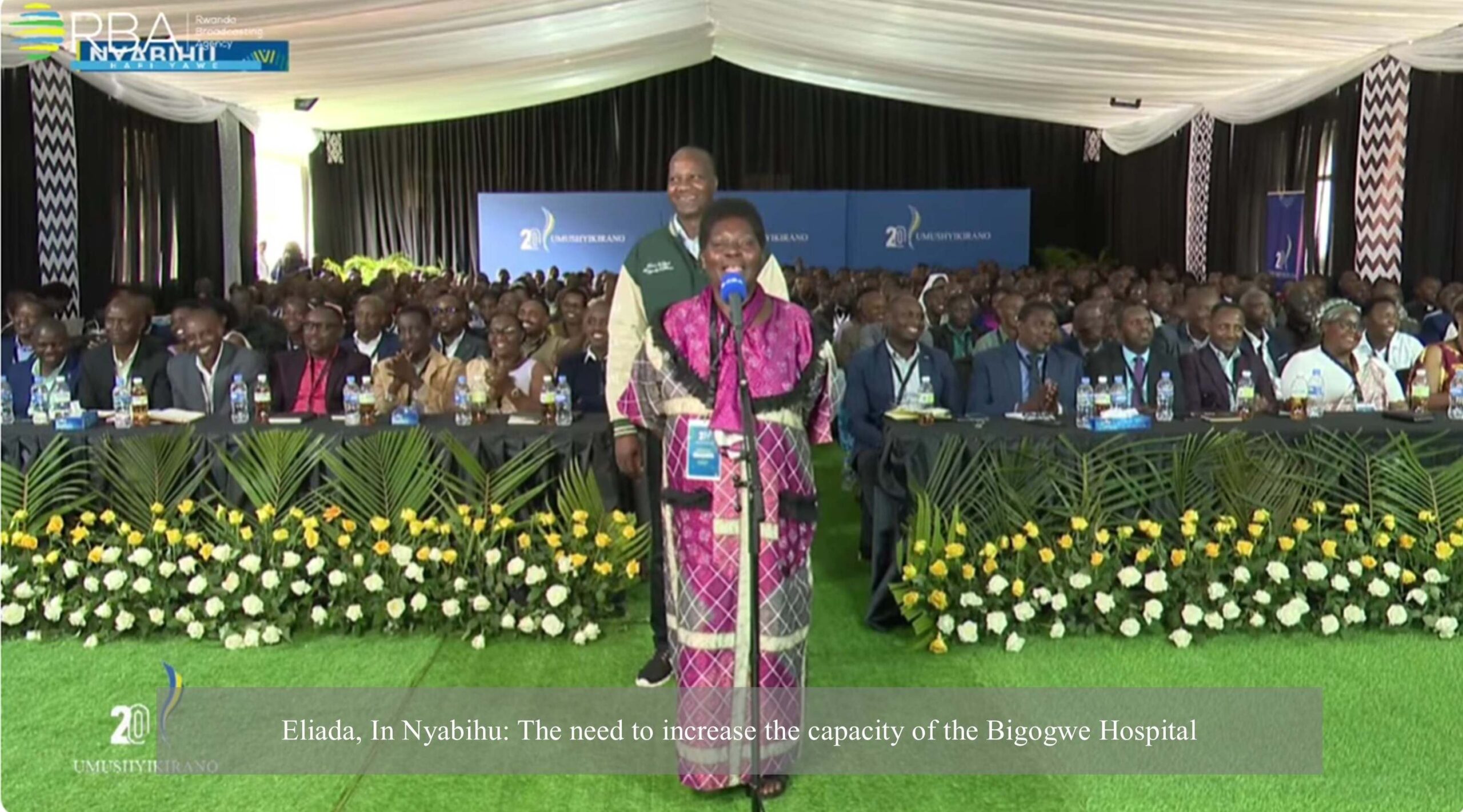
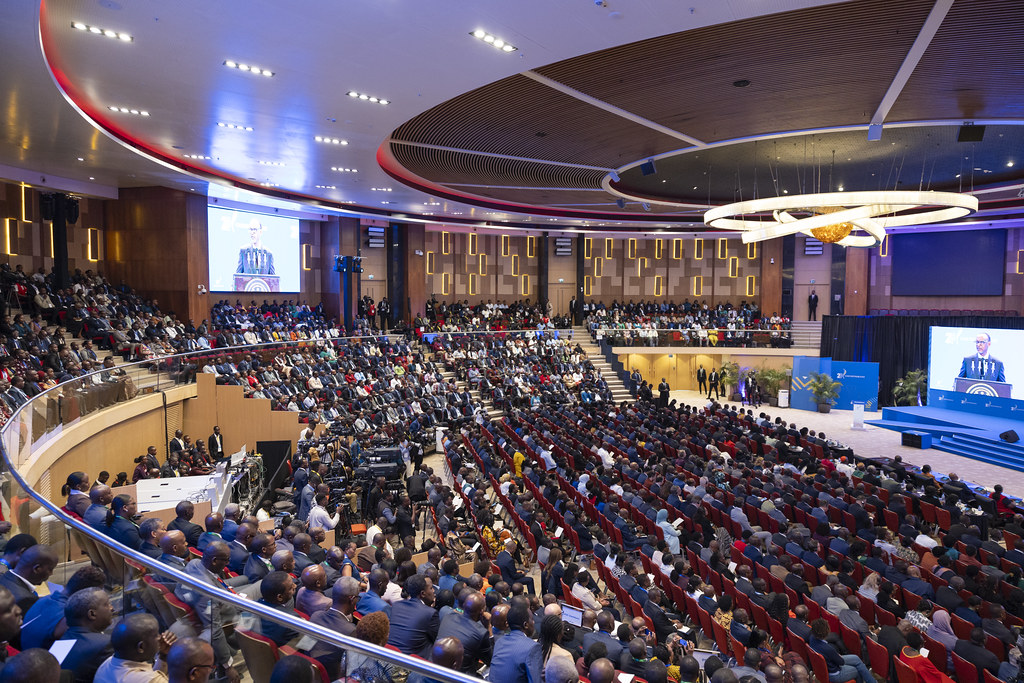
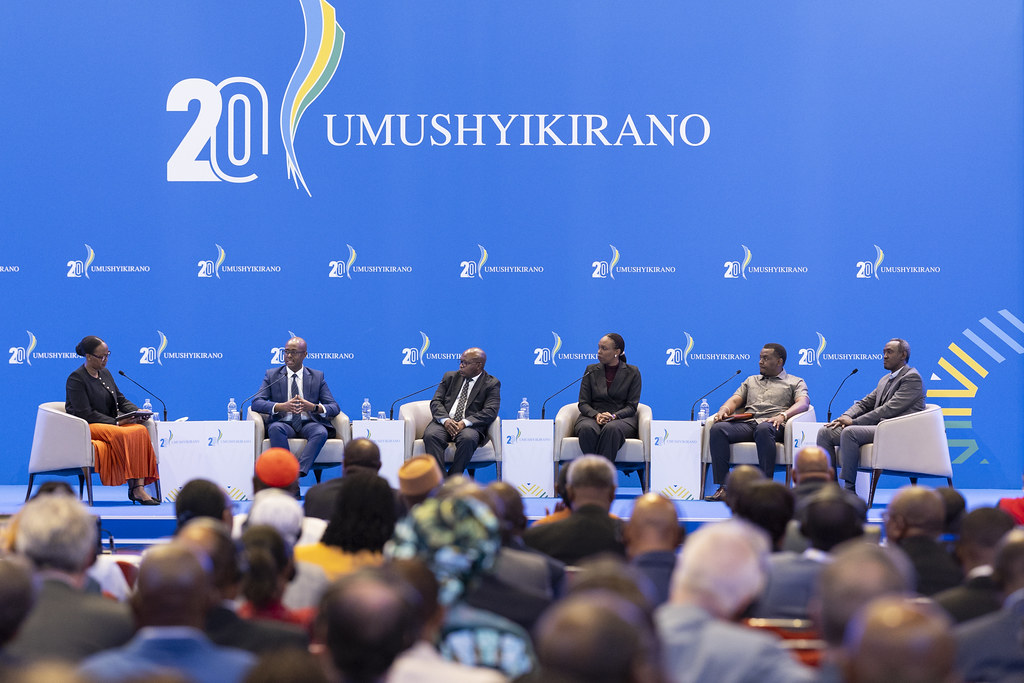
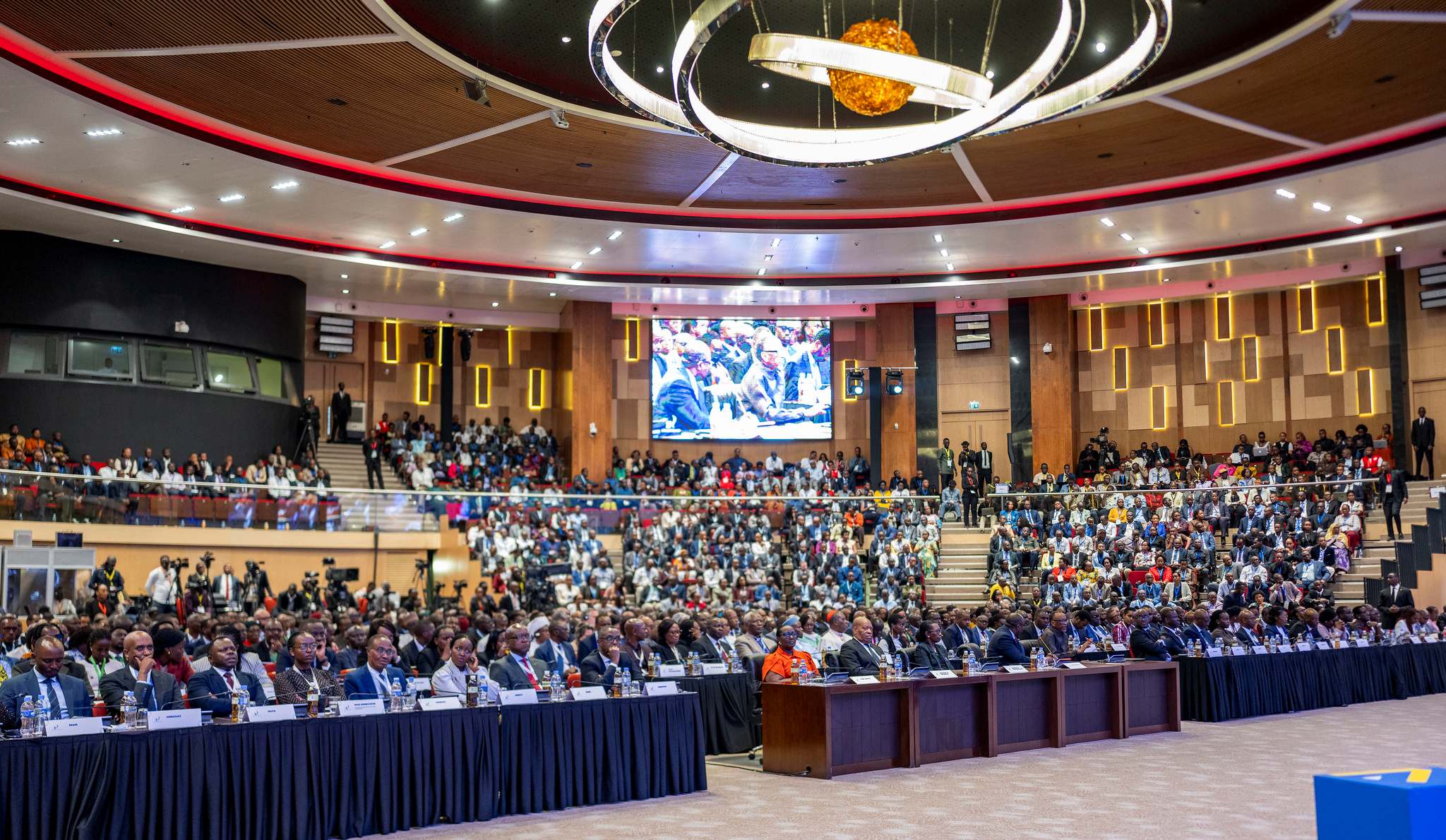
The 20th National Umushyikirano Council, which concluded in Kigali on February 6, 2026, served as a profound demonstration of Rwanda’s “brain and nervous system” in action. Derived from the Kinyarwanda verb gushyikirana—meaning “to reach one another”—this annual dialogue has evolved from a traditional cultural practice into a modern constitutional mandate that effectively flattens the national hierarchy. Over two days, the Kigali Convention Centre became a theater of radical accountability, where the highest echelons of government, including President Paul Kagame, stood before the public to answer for the nation’s progress and challenges. During this important meeting, the President, alongside the CEO of the Rwanda Mines, Petroleum and Gas Board (RMB), confirmed the strategic outlines of the natural resources policy for the coming years.
Diplomacy and Regional Security
The dialogue opened as a high-stakes platform for regional politics, particularly concerning the ongoing conflict in the Democratic Republic of Congo (DRC). President Kagame delivered what many considered a masterclass in diplomacy, dismissing long-standing allegations of mineral exploitation by stating that Rwanda would be “100 times richer” if its involvement in the DRC were motivated by theft rather than security. He framed Rwanda’s military posture as a strictly defensive necessity against the FDLR, asserting that the country would not be “choked” by external powers failing to address the root causes of regional instability.
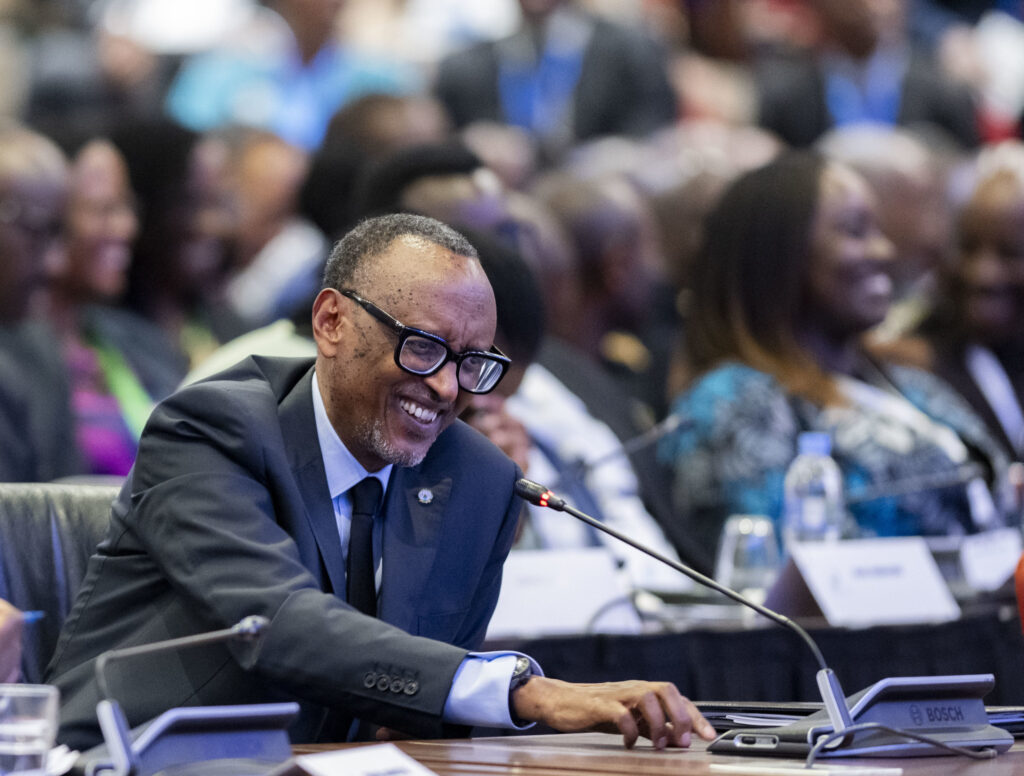
Paul Kagame in his element, discussing and solving with Rwandans their own problems
On the regional scene, the President argued that Rwanda is unfairly blamed for the DRC’s internal problems while the “international community” remains a faceless entity that avoids accountability. He noted that the DRC leadership acts like a “spoiled child” and maintained that Rwanda will not carry the weight of its neighbor’s problems. Regarding Genocide Ideology, he warned that even if perpetrators in the DRC are aging, they have “trained children,” indoctrinating a new generation and making the threat perpetual.
A key highlight was the strategy to move beyond raw resource exports; Alice Uwase, Director of the Rwanda Mines Board, affirmed that Rwanda is positioning itself as a regional hub for mineral processing to capture high value from its resources.
The President also responded directly to a businesswoman in the mineral sector who spoke about her work, processing, and exporting Rwandan minerals.
He broadened the context, stating: “Almost all minerals used in diverse processes of production in developed countries are imported. The same is for Rwanda. No one has the right to forbid Rwandans to import and process minerals legally from neighboring or faraway countries, or to forbid foreigners to sell to Rwandan traders or to mineral industrial complexes. As for minerals, we don’t forbid Congolese from passing through Rwanda’s roads and airports as they are traveling. Rwanda is open to all people, all flows, and all legal transactions.”
The Strategic Pivot: NST1 to NST2
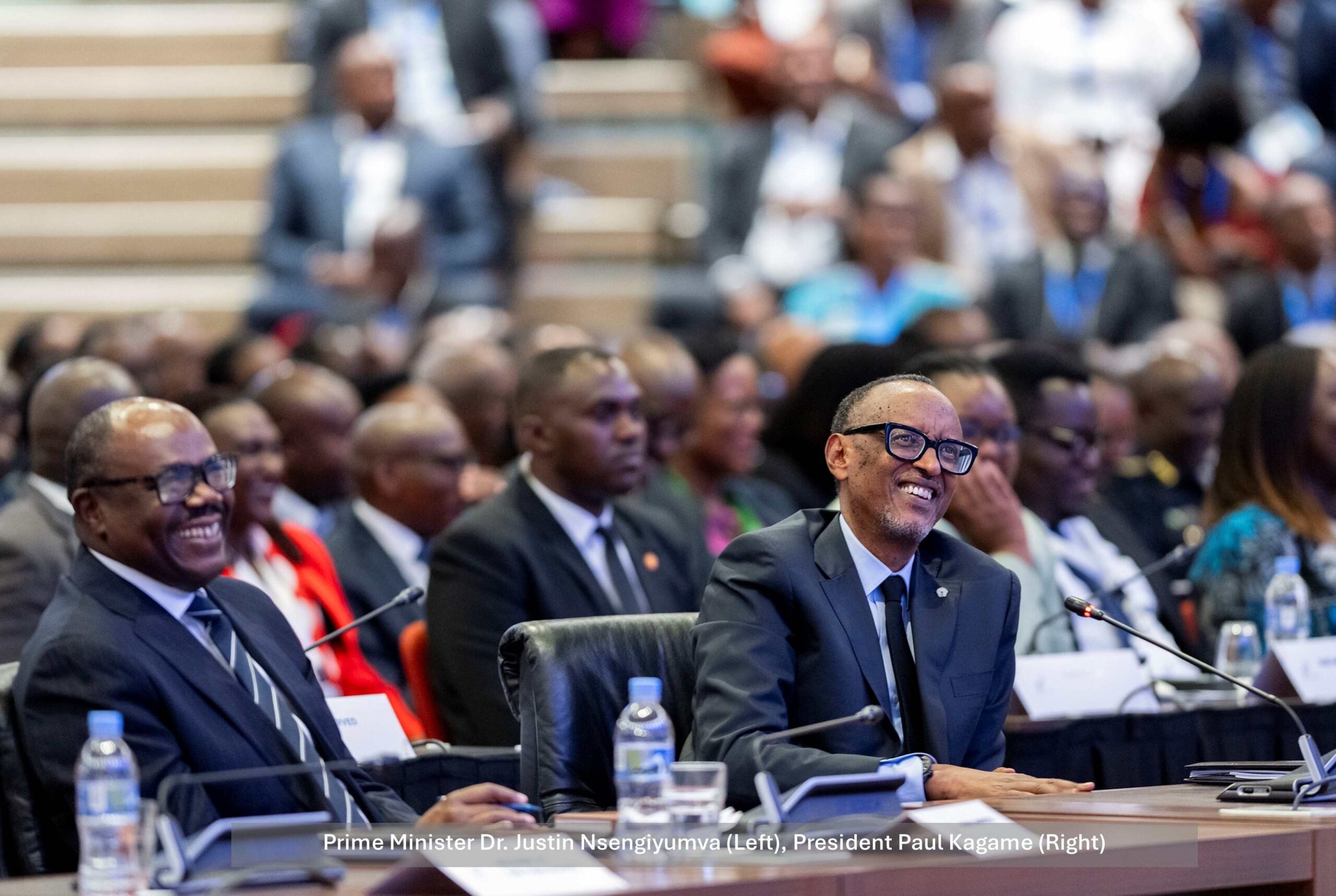
The timing of this year’s dialogue was particularly significant, marking the strategic pivot from the first National Strategy for Transformation (NST1) to the more ambitious NST2. While Prime Minister Justin Nsengiyunva reported an impressive 80% completion rate for previous resolutions, the atmosphere remained focused on refining the machinery of the state. This was most evident when the President addressed systemic inefficiencies within the Rwanda Development Board (RDB), issuing a direct mandate to streamline the “One-Stop Centre” to protect the country’s 8.7% GDP growth target for 2026.
Digital and Linguistic Evolution
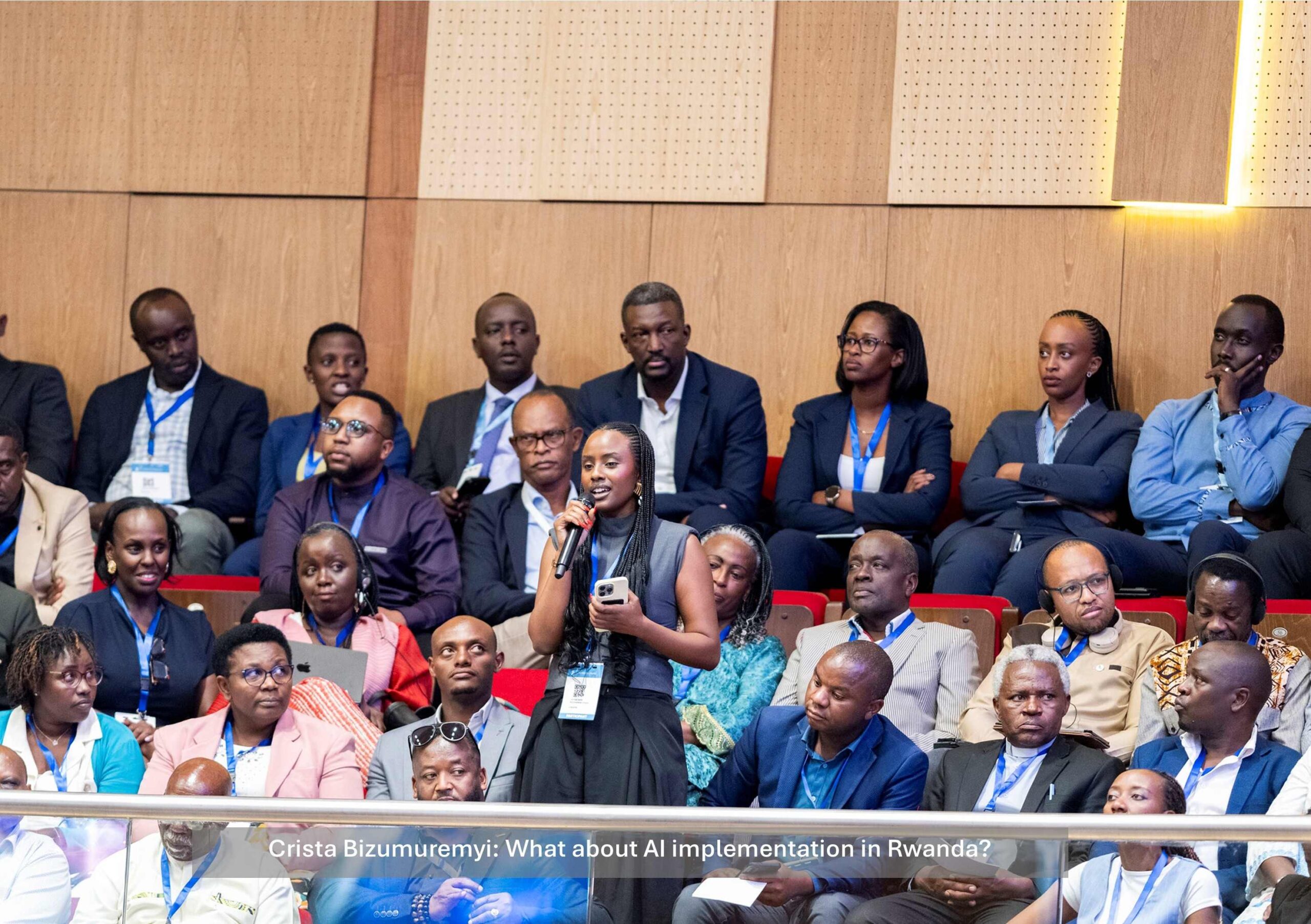
Beyond traditional economics, the 2026 dialogue emphasized digital and linguistic sovereignty. Younger participants used the platform to push for a “Zero-Trip, Zero-Paper” government by 2027 and challenged leaders on how Artificial Intelligence (AI) would be leveraged for Vision 2050.
In a similarly forward-looking move, the Ministry of Education announced a nationwide partnership with the World Bank to train every Rwandan teacher to reach a B2 proficiency level in English, ensuring the next generation is equipped for the global labor market.
And President Kagame reminded the audience that Kinyarwanda language needs as well to be better taught and used.
Social Accountability and Resolution
Addressing economic concerns, the Minister of Finance and Plan, Yusuf Murenzi, reacted to rising prices caused by a disparity between low exports and high imports as the population increases.
On the social front, a two-year intensive plan was launched to reduce stunting in districts like Gicumbi through better monitoring by Community Health Workers. While statistics suggested stunting in agricultural-rich provinces was due to parental ignorance, the President argued instead that it resulted from a lack of leadership.
As the council closed with the adoption of 13 new resolutions—ranging from targeted health interventions to improving in quality and in quantity the exports—the 20th Umushyikirano reinforced its status as a unique model of participatory democracy. It remains the primary venue where the social contract is renewed, ensuring that Rwanda’s leap toward 2050 is a collective effort rather than a top-down directive.
Cet article est également disponible en :







Very good article
Thank you for this information