

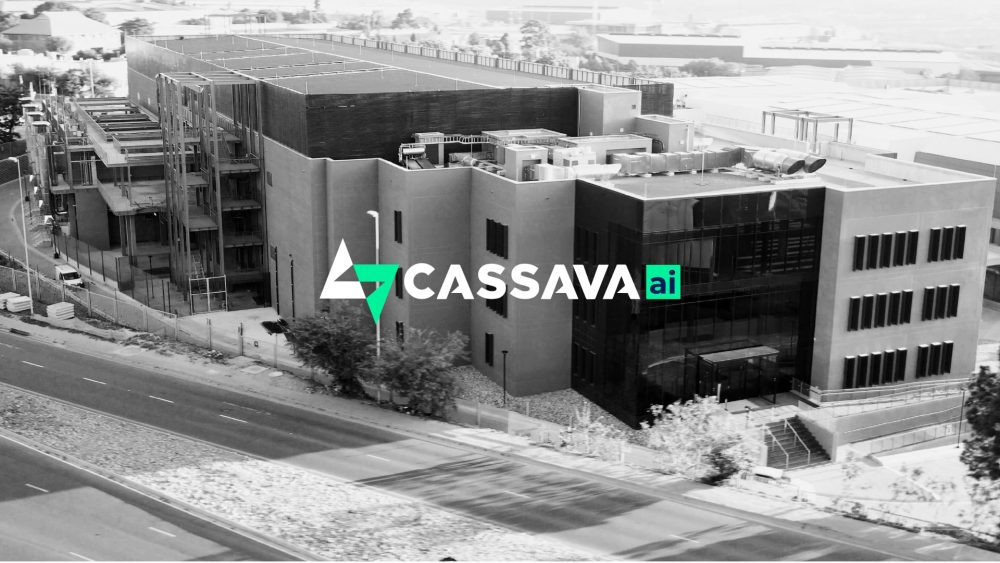
New Cassava AI Enabled Data Centre in Cape Town, South Africa
How Smart Africa and Strive Masiyiwa are building the continent’s sovereign intelligence, a $1.5 trillion market for Africa
The era of African tech dependency is ending. As we move into 2026, a new strategy of Digital Sovereignty is taking root. Led by the private-sector ambition of Strive Masiyiwa and the institutional framework of the Smart Africa Alliance, the continent is shifting from AI consumption to sovereignty. By deploying local AI Factories and harmonizing policy across 42 nations, Africa is positioning itself to capture a $1.5 trillion economic opportunity while ensuring that African data remains on African soil.
For years, the narrative surrounding Artificial Intelligence in Africa was framed by a single word: adaptation. The conversation centered on how the continent could borrow Western-built models to solve local problems. But as we move through 2026, a seismic shift is occurring in the tech corridors of Kigali, Nairobi, and Lagos. Africa is no longer content being a mere consumer of digital intelligence; it is aggressively positioning itself as a producer.
This transformation is being driven by a powerful “pincer movement”—a rare alignment between the massive private capital of Zimbabwean mogul Strive Masiyiwa and the institutional “heavy lifting” of the Kigali-based Smart Africa Alliance. Together, they are rewriting the rules of engagement, moving the continent toward a future defined by digital sovereignty rather than dependency.
The Hardware: Masiyiwa’s GPU Power Play
At the heart of any AI revolution lies raw compute power—specifically, Graphics Processing Units (GPUs). Historically, Africa has been “GPU-poor,” a deficit that has forced local developers to rely on expensive, latency-heavy foreign clouds. Strive Masiyiwa, through Cassava Technologies (the parent company of Liquid Intelligent Technologies), is fundamentally changing that math.
Masiyiwa has committed $720 million to build a network of five “AI Factories” across the continent, with anchor facilities in South Africa, Nigeria, Kenya, Egypt, and Morocco. This isn’t just a infrastructure play; it’s a strategic defense. The first of these facilities already features 3,000 NVIDIA H100 GPUs, part of a landmark partnership between Cassava and NVIDIA designed to anchor a “Sovereign AI Cloud.” By keeping compute power on African soil, Masiyiwa ensures that sensitive African data—from Rwandan health records to Nigerian financial transactions—stays within the continent’s borders.
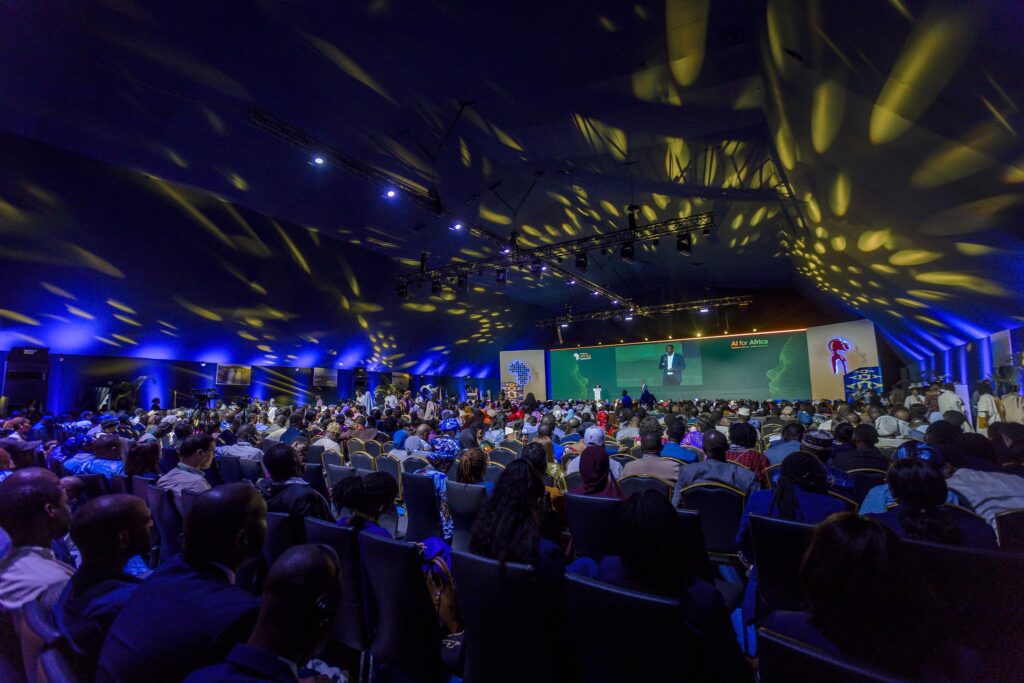
Conakry, where Transfrom Africa Summit 2025 Confirmed the Continental Momentum towards a Unified and Sovereign Digital Africa, in 19 November 2025
The Policy: Smart Africa’s Blueprint for Scale
While Masiyiwa builds the physical engines, the Smart Africa Alliance is laying the regulatory “rails” to ensure they can run at full speed. Headquartered in Kigali, the Alliance is tackling the continent’s greatest tech hurdle: fragmentation. On November 17, 2025, the organization formally established the Africa AI Council, a high-level body of seven ministers (including those from Rwanda, Kenya, and Nigeria) alongside eight tech giants like Google and InstaDeep, to lead a unified approach to AI governance.
The Alliance is moving with remarkable speed. In late 2025, they unveiled the SANIA Platform, a network designed to break down ecosystem silos and help startups scale across 42 member states. Perhaps more critically, they validated a Digital Health Blueprint that establishes an “Africa Health Data Space.” This framework allows patient records to follow individuals securely across borders, creating the kind of large-scale, high-quality datasets that AI models need to thrive.
Rwanda, the regulatory sandbox
Rwanda has emerged as the global laboratory where these physical and political layers meet. Because of this unique synergy, the country has become a magnet for landmark international deals that were unthinkable just two years ago. On February 17, 2026, Anthropic signed a three-year MoU to integrate its Claude AI into Rwanda’s health, government and education sectors—its first such multi-sector government partnership in Africa.
This was quickly followed by the Horizon 1000 initiative, a $50 million collaboration between the Gates Foundation and OpenAI to deploy AI tools in 1,000 primary healthcare clinics, starting in Rwanda. Simultaneously, Microsoft launched Paza, an initiative covering 39 African languages, finally closing the “AI divide” for low-resource languages like Swahili and Somali that global models previously ignored.
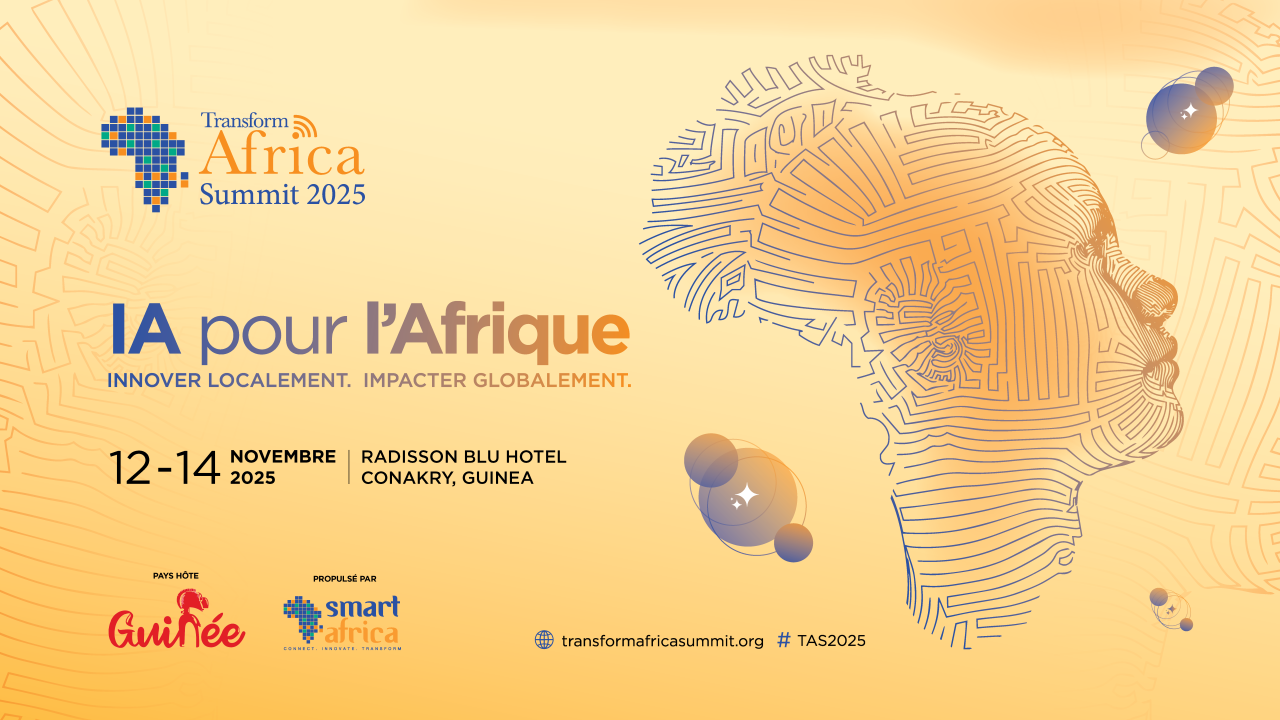
The $1.5 Trillion Prize
The momentum is now institutional. On February 17, 2026, the African Union Commission (AUC) and Google signed a historic agreement to align with the AU’s Continental AI Strategy. The goal is clear: to move Africa from “digital access to digital production.”
The economic stakes are massive. Projections now suggest that if this momentum continues, AI could inject as much as $1.5 trillion into the African economy by 2030. As Masiyiwa provides the engines and Smart Africa provides the map, the message to the global tech community is no longer a request for inclusion. It is a statement of intent: Africa is no longer waiting for the future; it is building the factory to manufacture it.
Cet article est également disponible en :












Very good article
Thank you for this information