What if Rwanda Withdraws from the Washington Accords?

What if Rwanda Withdraws from the Washington Accords?

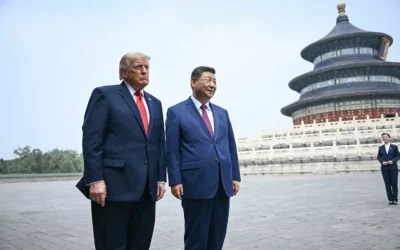
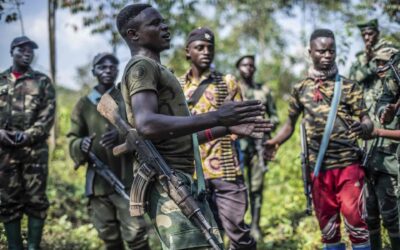
Signed in Washington, D.C., on June 27, 2025, and expanded on December 4, 2025, the Washington Accords for Peace and Prosperity brought Rwandan President Paul Kagame and Democratic Republic of the Congo (DRC) President Félix Tshisekedi together under U.S. President Donald Trump’s mediation. Designed to end decades of wars in the Great Lakes region, the treaty rests on a reciprocal bargain: Rwanda must withdraw its troops from eastern DRC, while the DRC must dismantle the Democratic Forces for the Liberation of Rwanda (FDLR), a militia founded by perpetrators of the 1994 genocide against the Tutsi.

Feature Series 3: DRC Mineral Deals — Governance Fragility, Asymmetric Accords, and Collateral Damage

Feature Series 3: DRC Mineral Deals — Governance Fragility, Asymmetric Accords, and Collateral Damage

The entry of major U.S. institutional capital, DFC de-risking mechanisms, and infrastructure funding along the Lobito Corridor offers genuine opportunities to diversify the nation’s investor base, upgrade legacy transport networks, and re-balance a decades-long single-market dependency. However, if these strategic agreements continue to operate as transactional “minerals-for-security” bargains negotiated under conditions of executive opacity and territorial distress, they risk repeating the extraversion patterns of the past.

Feature Series: DRC Mineral Deals — Governance Fragility, Asymmetric Accords, and Collateral Damage

Feature Series: DRC Mineral Deals — Governance Fragility, Asymmetric Accords, and Collateral Damage

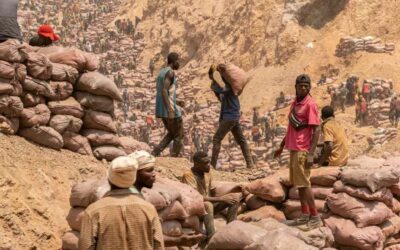
Under the banner of the U.S.-mediated Washington Accords, the United States and the Democratic Republic of the Congo (DRC) have operationalized a Strategic Partnership Agreement (SPA) designed to grant American capital preferential access to the world’s richest copper, cobalt, and lithium deposits. Following years of dominant Chinese presence across the Katanga copper-cobalt belt, Washington’s commercial entry has mobilized near-unprecedented financial architecture.

Counting the Cost: Anatomy of the US-Iran Peace Standoff

Counting the Cost: Anatomy of the US-Iran Peace Standoff

The sirens have fallen silent over Tehran and Tel Aviv, replaced by the hushed, tense atmosphere of the Islamabad Serena Hotel. But the silence is deceptive. It is the silence of a planet holding its breath as the true price of Operation Epic Fury is finally tallied on the ledger of human suffering and economic ruin.

Counting the Cost of Epic Fury: the US-Iran Impasse

Counting the Cost of Epic Fury: the US-Iran Impasse

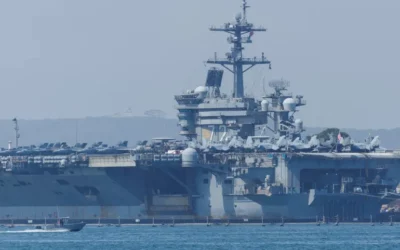
The silence in the Strait of Hormuz is the most expensive quiet in history. With Brent Crude hovering near $120 a barrel, the “success” of Operation Epic Fury is being debated not in military war rooms, but in the power-starved manufacturing hubs of Europe, or the Kigali markets. What began on February 28 as a joint U.S.-Israeli decapitation strike has devolved into a structural crisis that has pit allies against each other and turned the 2026 U.S. Mid-terms into a referendum on global stability.

Pin It on Pinterest