

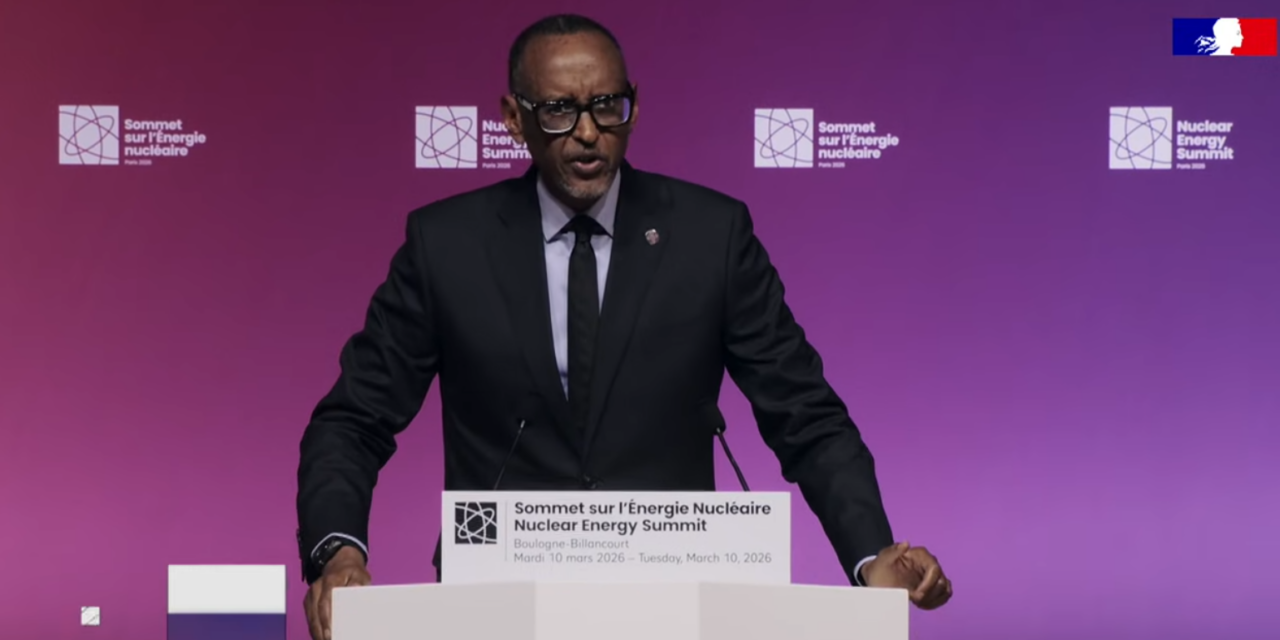
“Nuclear energy is not too complex or risky for developing countries. The standards developed by the IAEA provide a universal framework that can be applied by countries at every income level.” — President Paul Kagame, Paris, March 10, 2026
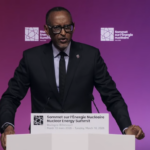
The ambitious roadmap for Rwanda to achieve high-income status by 2050 rests on a foundation of energy security and industrial sovereignty. This vision took center stage on March 10, 2026, as President Paul Kagame arrived in Paris to participate in the high-profile Second Nuclear Energy Summit. During the event, President Kagame stood alongside French President Emmanuel Macron and IAEA Director General Rafael Grossi to advocate for a future where nuclear power—specifically Small Modular Reactors (SMRs)—serves as the cornerstone of Rwanda’s economic transformation.
This diplomatic push follows a pivotal Integrated Nuclear Infrastructure Review (INIR) conducted by the IAEA in Rwanda from March 2 to 9, 2026. The review officially assessed the nation’s readiness to launch its civil nuclear program, culminating in a significant “Next Stage” authorization. The IAEA confirmed that Rwanda has successfully completed Phase 1 of its nuclear journey, providing the green light to proceed to Phase 2, which focuses on the critical tasks of contracting and construction preparation for its first plants. With a planned investment goal of $5 billion to $6 billion, the government is moving decisively to turn these blueprints into a physical industrial engine.
A central theme of the summit was the dismantling of the “complexity barrier” that has historically sidelined developing nations from nuclear discussions. President Kagame reframed the nuclear debate as an issue of equity and economic necessity, famously stating that nuclear energy is neither too complex nor too risky for developing countries when supported by the universal standards developed by the IAEA. He argued that the standards provide a framework applicable at every income level, specifically highlighting that SMRs are uniquely suited to the requirements of the African continent. This technology is expected to provide the reliable, clean power necessary to fuel Rwanda’s burgeoning industrial and public sectors.
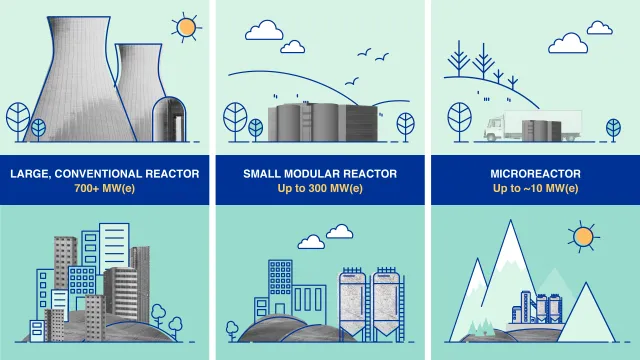
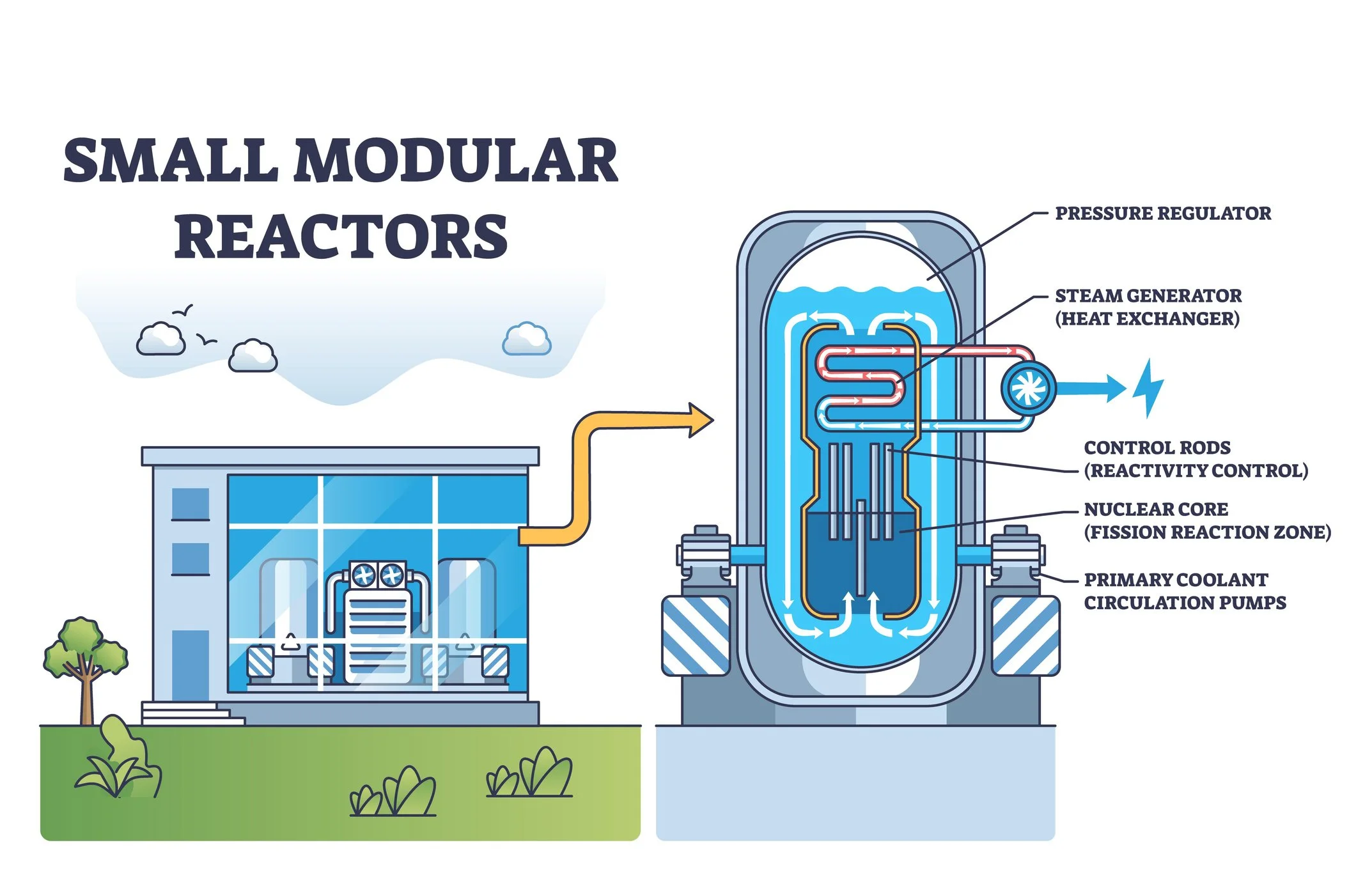
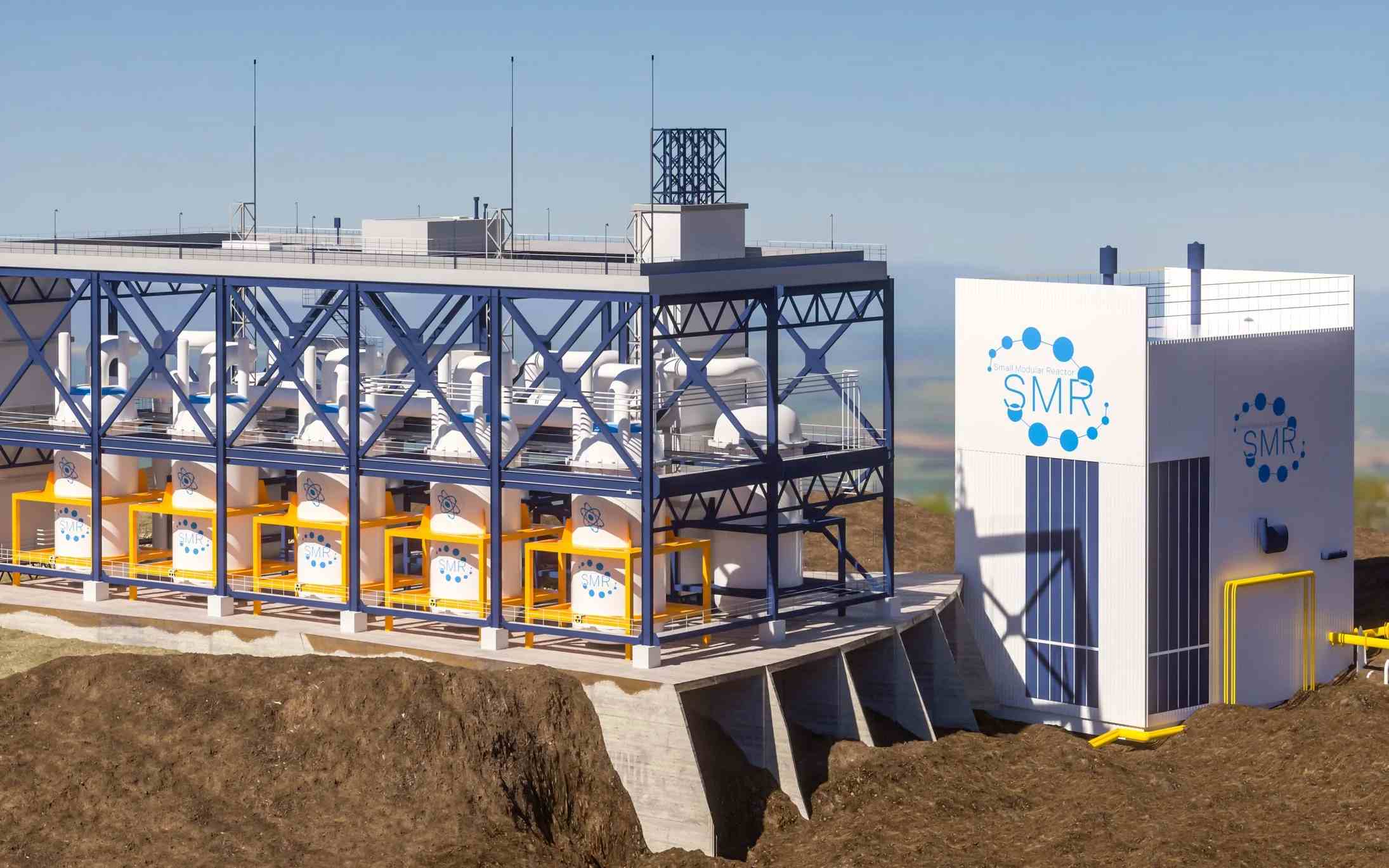
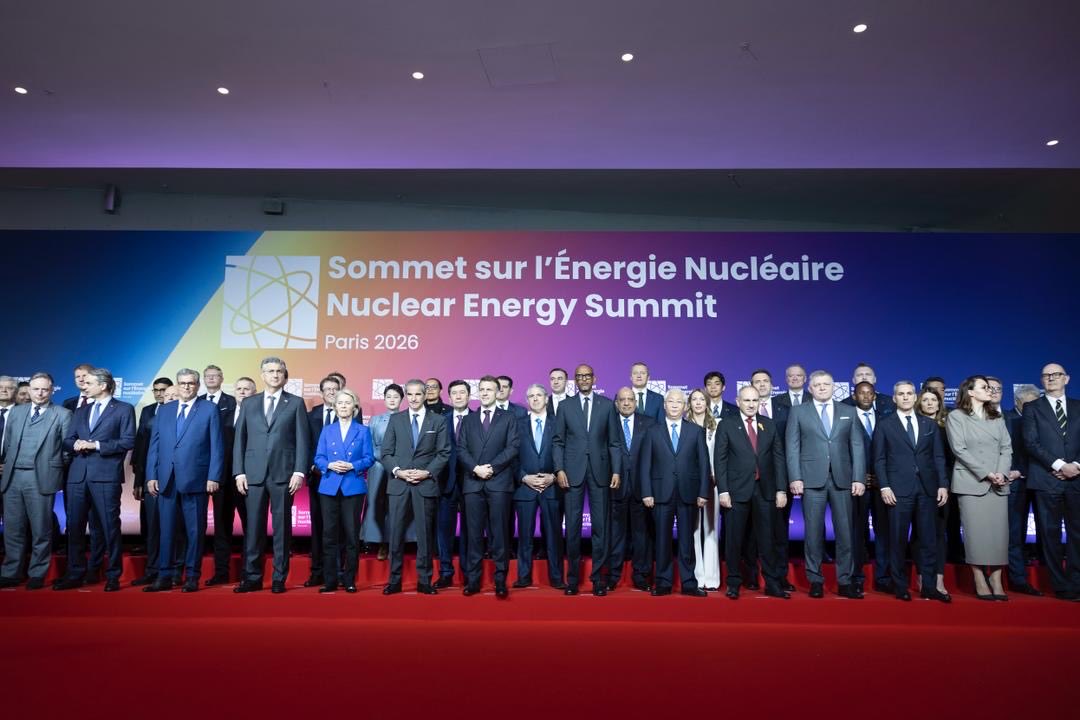
Beyond domestic goals, Rwanda is positioning itself as a continental leader in nuclear innovation. One of the most significant outcomes of the Paris meetings was the announcement that Kigali will host the Nuclear Energy Innovation Summit for Africa (NESA) from May 18–21, 2026. This summit is designed to be the primary forum for African leaders, financiers, and industry experts to coordinate the deployment of SMR technology across Africa. Furthermore, Rwanda reaffirmed its commitment to the “Triple Nuclear” Declaration, joining 38 countries in a pledge to triple global nuclear energy capacity by 2050 to meet climate and development targets.
However, the path forward requires a shift in global financial policy. In a joint call for a “green investment” revolution, President Kagame and President Macron urged the World Bank and other international development banks to lift historical bans on nuclear financing. They argued that nuclear energy must be treated as a bankable, green asset to support the massive energy “leap” required for African development. As Kagame noted in his remarks, tailored financing packages are essential for projects that are still unfamiliar to many lenders, asserting that now is the time to work together to make this shift a reality.









Very good article
Thank you for this information