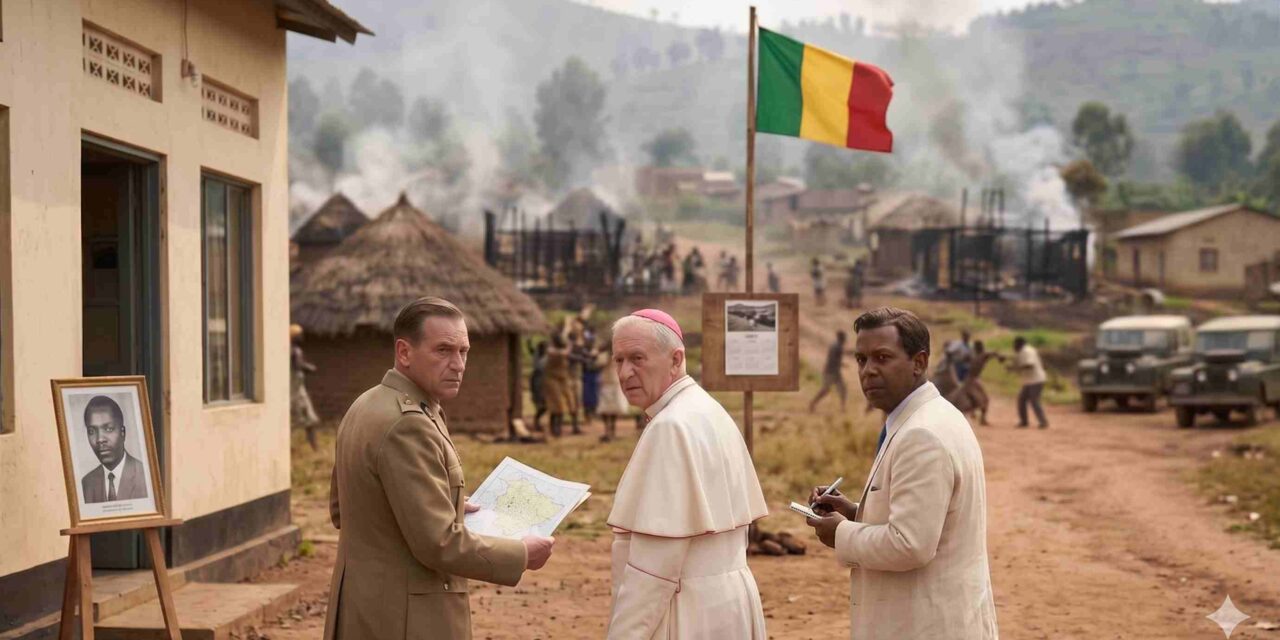
Belgium, the Catholic Church, and the UN: The forces that fractured Rwanda and the Great Lakes Region. Only the people of this region possess the power to fix it. L-R: Guy Logiest, Bishop André Perraudin, Max Dorsinville. [Image by Tech-Biz.Today and Gemini]
The history of the Genocide against the Tutsi is frequently compressed into the 100-day cataclysm of 1994. However, archival evidence and historical records suggest that 1994 was merely the terminal stage of a process rooted in the late 19th century.
This “Thirty-Five Year Genocide” was not a spontaneous local failure; it was a crisis facilitated by the active complicity and systematic cover-ups of the world’s most influential institutions—from German and Belgian colonial administrations to the United Nations and the Catholic Church.
Understanding this 35-year period (1959 to 94) is essential to deciphering not only the tragedy of 1994 but the current security architecture and ongoing crisis in the Democratic Republic of the Congo (DRC).
1959–1962: The Colonial and Clerical Architects
The roots of the genocide took hold during the volatile transition from Belgian colonial rule. As the “winds of change” and African independence reached Rwanda, King Mutara III Rudahigwa—who maintained close ties with Congolese independence leader Patrice Lumumba—began to demand sovereign independence. His sudden death in Bujumbura, under the guise of medical treatment by Belgian authorities, remains a focal point of suspicion. He was abruptly replaced by Kigeli IV Ndahindurwa.
Ultimately, Belgium shifted its favor from the Tutsi monarchy to Hutu elites. This transition utilized the Catholic Church—then Rwanda’s most powerful social institution—to provide the ideological scaffolding for exclusion.
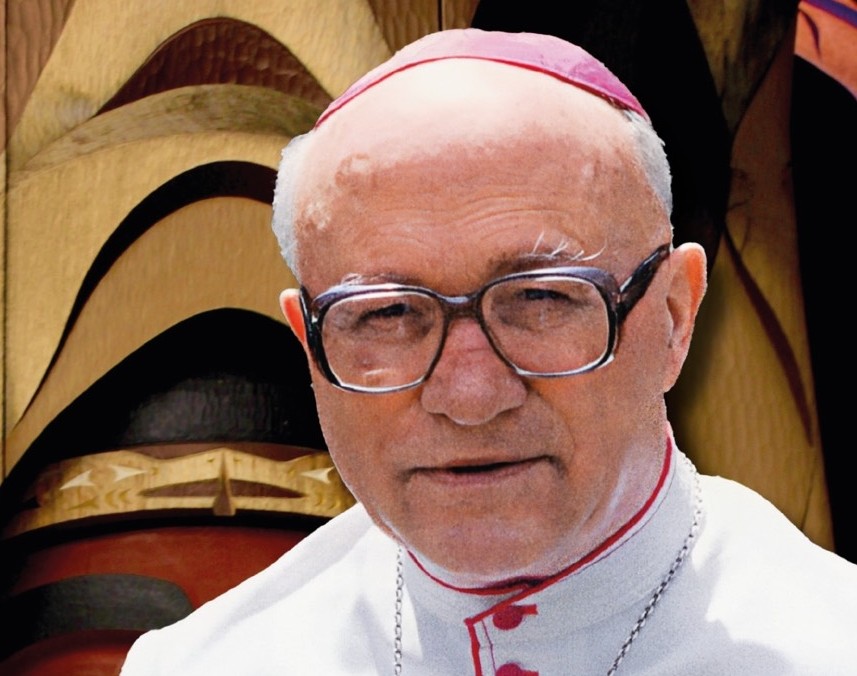
Mgr A. Perraudin
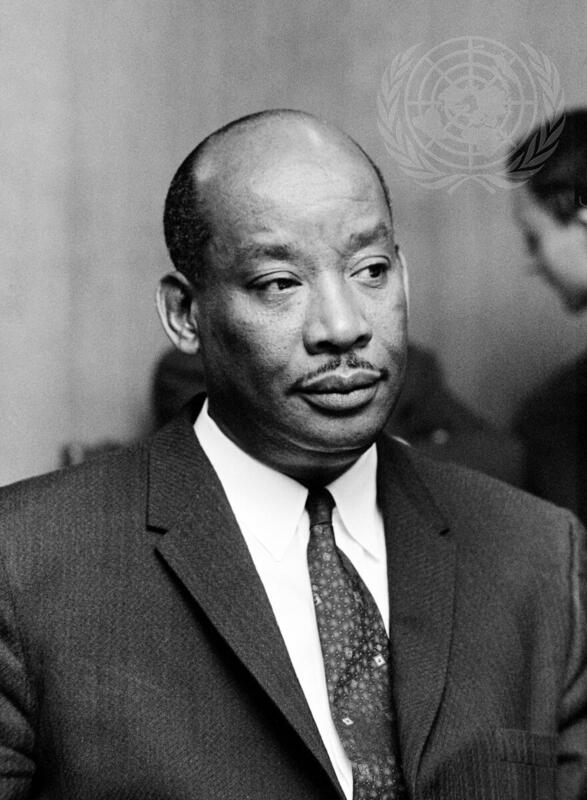
Max Dorsinville
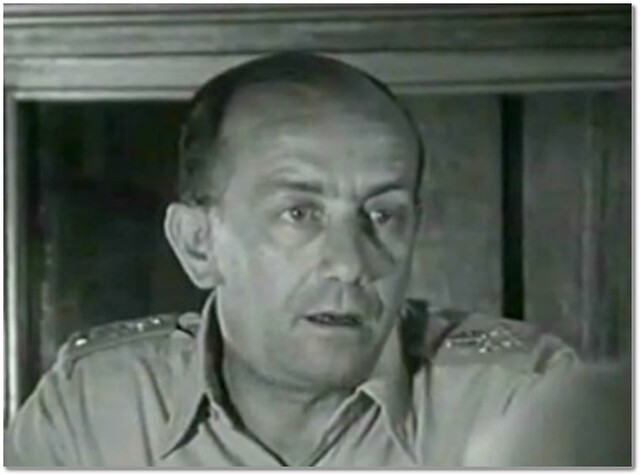
Guy Logiest
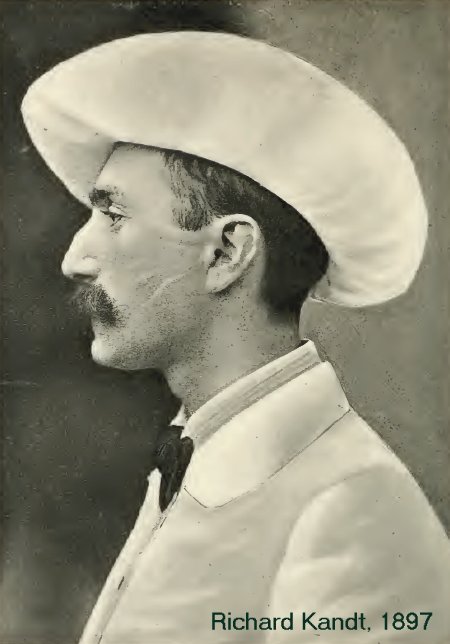
Kandt Richard
The Intellectual Blueprint: Richard Kandt
This ideological framework was born much earlier, notably in Richard Kandt’s 1904 work, Caput Nili. Kandt, the founder of Kigali, reported to the German Emperor that the Tutsi were “proud” and resistant to colonial demands. He suggested that because they “dominated” (rather than simply governed) the Hutu, Tutsi, and Twa, a change in colonial alliances was necessary to control the region – not only Rwanda – (Cited by Mgr Patient Kanyamachumbi Patient, Société, culture et pouvoir politique en Afrique interlacustre.)
While pre-colonial Rwanda was an established kingdom dating back to at least the 13th century—a peaceful, organized society where “Tutsi,” “Hutu,” and “Twa” were social and professional categories—Kandt and the Belgians reclassified these groups as distinct “tribes,” laying the groundwork for racial and genocidal ideology. (Ibid)
The “Shift of Alliance”
In Rwanda, independence was not fought for against the colonizer; it was “given” by the Coloniser. The Belgians became the allies of the new “Hutu elites,” organizing and covering persecutions with the full blessing of the colonial administration and the Church:
- The Church’s Role: Bishop André Perraudin’s 1959 Pastoral Letter used the language of “social justice” to radicalize Rwandan society. This clerical endorsement of “Hutu Power” provided moral legitimacy to the first anti-Tutsi pogroms.
- Belgian Logistics: Colonel Guy Logiest, the Belgian Special Resident, oversaw the replacement of Tutsi administrators with Parmehutu militants. Despite intelligence warnings in 1960 that Hutus intended to kill all Tutsis in the country in the event of an external attack, Logiest ignored the threats, facilitating the first killings, house burnings and mass displacement of the Tutsi community.
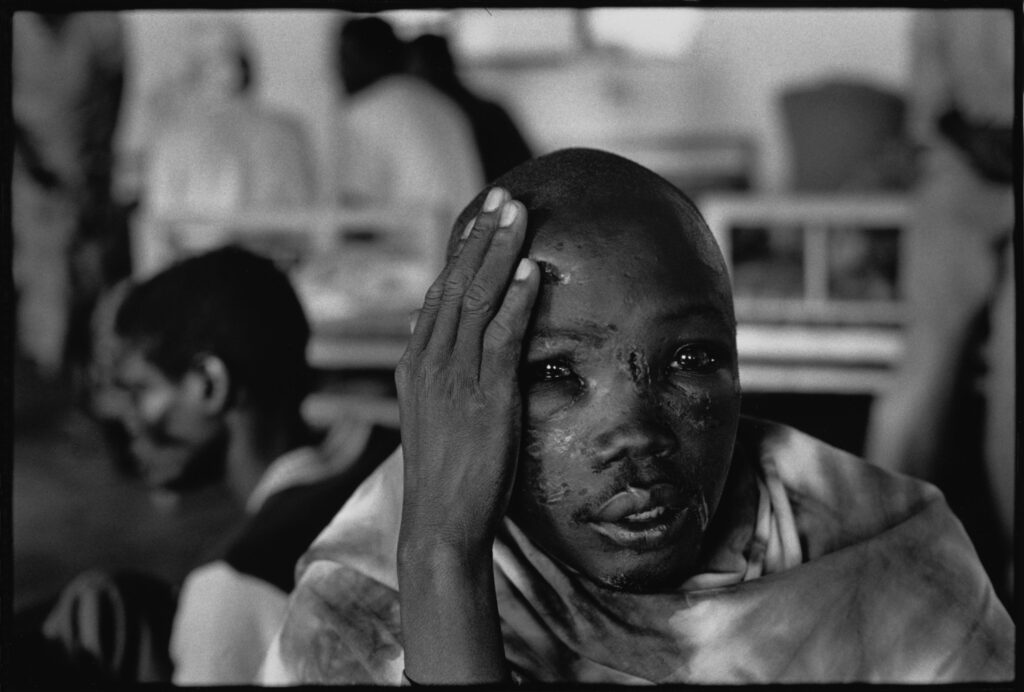
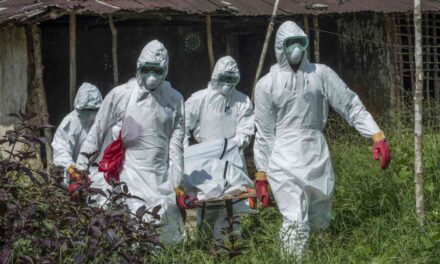
A displaced Tutsi at the Kabgayi Hospital, where thousand of Tutsi were packed nearby in a “Concentration Camp”, before being “slaughted”, as remarked Gilles Peress. Rwanda 1994 | Gilles Peress – Magnum Photos
1963–1964: The UN’s “Conspiracy of Silence”
By December 1963, a massive wave of state-sponsored killings targeted Tutsis, particularly in Gikongoro. While philosopher Bertrand Russell described it as the most “terrible systematic slaughter” seen since the Holocaust, the UN worked to downplay the atrocity.
- The Dorsinville Reports: UN Secretary-General U Thant dispatched Max Dorsinville to investigate. Dorsinville met exclusively with government officials and Church dignitaries, ignoring survivors. His report cleared the Kayibanda presidency and famously labeled the term “genocide” as “abusive” in this context. This established a “UN Expert style” of biased reporting that critics argue persists today in reports regarding M23 in the DRC.
- The ICRC Silence: While the International Committee of the Red Cross (ICRC) documented the horrors, their commitment to “neutrality” kept these records confidential for decades, preventing international intervention that might have halted the First Republic’s radicalization.
Setting the Tempo: The Road to 1994
The impunity granted in 1959 and 1963 established a “Tempo of Exclusion” that defined the following three decades. As the international community accepted the narrative of a “spontaneous peasant revolt,” the Rwandan state was empowered to refine its genocidal tools through institutionalised massacres: 1963, 1964, 1967, 1973, 1990, 1991, 1992, 1993, which led to solution finale, the genocide of the Tutsi in 1994, with 1,000,000 Tutsi and moderate Hutu killed with machettes in 100 days. In the mean time steps to streamline the process were met:
- Tribal ID Cards (1933-1994): Maintained as the primary tool for ethnic targeting.
- School Quotas: An “academic apartheid” that systematically excised Tutsis from the nation’s intellectual and professional life.
- Military Exclusion: Ensuring no internal checks on state violence remained.
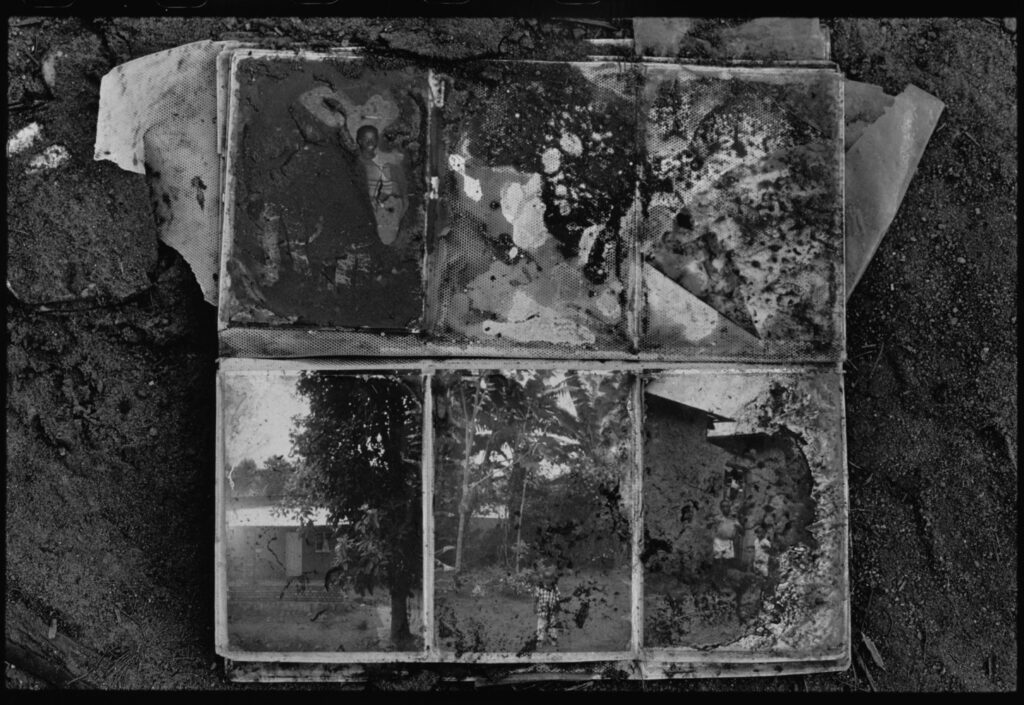
Photo Album found at a massacre site, Nyamata. Rwanda 1994 | Gilles Peress, Magnum Photos
Today in the DRC: The Cycle Continues
The failure to confront the genocidal ideology born in 1959 has led directly to the instability in the Eastern DRC.
- Exported Ideology: In the 1960s, 70s and 80s, tribal wars in the Kivus were armed by Rwandan Presidents Grégoire Kayibanda and Juvénal Habyarimana, providing the logistics—machetes, petrol, and hate—to “do the job” against the Congolese Tutsi and their cattle.
- The Flight of Perpetrators: In 1994, the remnants of the genocidal government and the Interahamwe fled into the DRC (then Zaire) under the protection of “humanitarian” corridors, with Turquoise French Operation.
- The FDLR and Hate Speech: Groups like the FDLR continue to propagate the 1959 “Hamitic” ideology on Congolese soil, with the caution of the DRC government. Today, we see a resurgence of these patterns: the targeting of Tutsi called “foreigners,” village burnings, and hate speech echoed by modern technology—from social media, radio broadcasts to the use of drones and Sukhoi attacks.
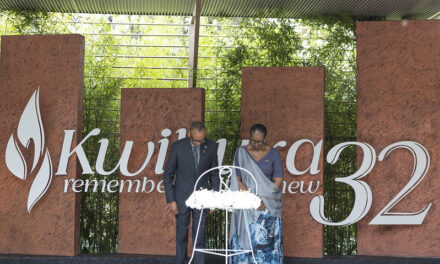
The Genocide against the Tutsi was a “foreseeable” event. The 35-year gap between the first massacres in 1959 and the final catastrophe in 1994 was filled with opportunities for the UN and the Catholic Church to intervene. Instead, the choice to favor one community over others created, from 1959, a culture of impunity and institutionalized a genocide ideology that continues to haunt the Great Lake.
Editor’s Note
This article marks the beginning of an in-depth investigative series by Tech-Biz.Today on the Genocide against the Tutsi. Over the coming weeks, we will move beyond the traditional 100-day narrative to explore the 35-year period of this tragedy.
Our series will provide a granular analysis of the state-sanctioned massacres that preceded 1994, the radicalization of politics within Rwanda and its diaspora, and the logistical execution of the genocide itself. We will further examine the military conflict between the FAR and the RPF, the RPF strategic intervention that stopped the slaughter, and the alarming resurgence of these same genocidal processes today across Burundi, Tanzania, and particularly the DRC.
References
- Galabert, J. L. (2025). The Genocide against the Tutsis in Rwanda lasted for thirty years, not one hundred days. Pan African Review.
- Mgr Patient Kanyamachumbi (1995). Société, culture et pouvoir politique en Afrique interlacustre.
- Saur, L. (2004). Influences de la colonisation belge sur les clivages ethniques au Rwanda.
- UN Archives: Dorsinville Mission Reports (1963-1964).
- Lemarchand, R. (1970). Rwanda and Burundi. Pall Mal
Cet article est également disponible en