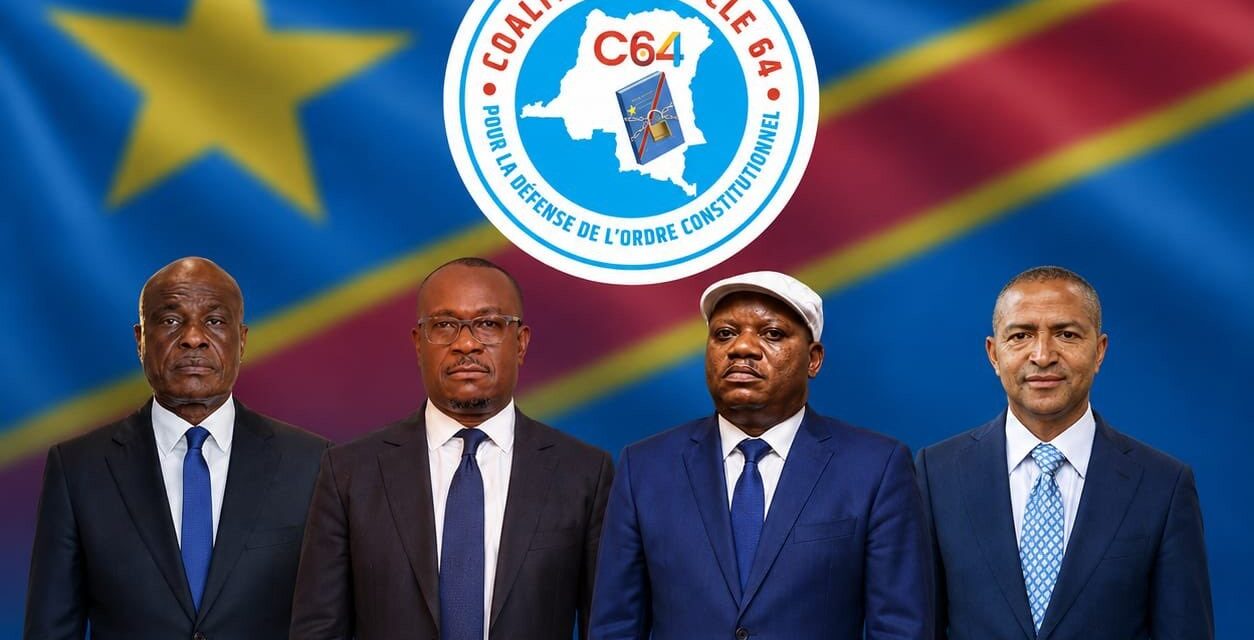
The main leaders of the C64 coalition include Martin Fayulu (ECiDé), Delly Sesanga (Envol), Jean-Marc Kabund (Alliance pour le Changement), Moïse Katumbi (Ensemble pour la République), and Augustin Matata Ponyo (LGD), preparing the Ghost Town in Kinshasa for 3 June 2026
As the sun sets over the Congo River this late May 2026, the political atmosphere in Kinshasa has reached a boiling point, transforming the capital into a chessboard where the pawns are articles of law and the stakes are the nation’s future. The central theater of this conflict is the explosive debate over constitutional reform.
While the administration of President Félix Tshisekedi frames the proposed changes as a necessary modernization of state institutions, a powerful cross-section of civil society, the Catholic Church, and an increasingly organized opposition views this legislative push as a “Trojan Horse” designed to dismantle term limits and entrench executive power beyond 2028.
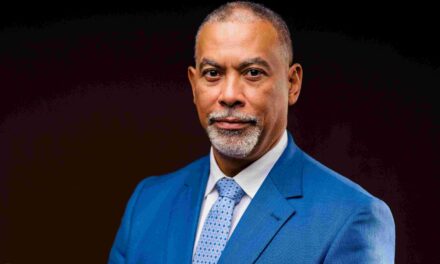
The moral weight of this resistance is anchored by the Conférence Épiscopale Nationale du Congo (CENCO). For the Church, the timing of this debate—amidst an acute security crisis in the East and pervasive economic hardship—is not just ill-advised; it is a profound dereliction of duty. Archbishop Fridolin Ambongo, the Archbishop of Kinshasa, has emerged as the most formidable voice against this agenda, shifting the narrative from legal technicalities to the immediate, tangible needs of the Congolese people.
“To the Catholic Church, which is already mobilized, and to the Protestant Church: rise up and stand firm to block all these schemes,” declared the Cardinal, before warning that “the days ahead will be difficult.” “When the time comes, when they persist in trying to push these laws through, they must find us in their way,” he warned.
As he challenged the ruling elite to prioritize human development over political restructuring, he pointedly asked: “How can a country like ours spend time, energy, and even money talking about constitutional change instead of taking care of its abandoned youth?”.
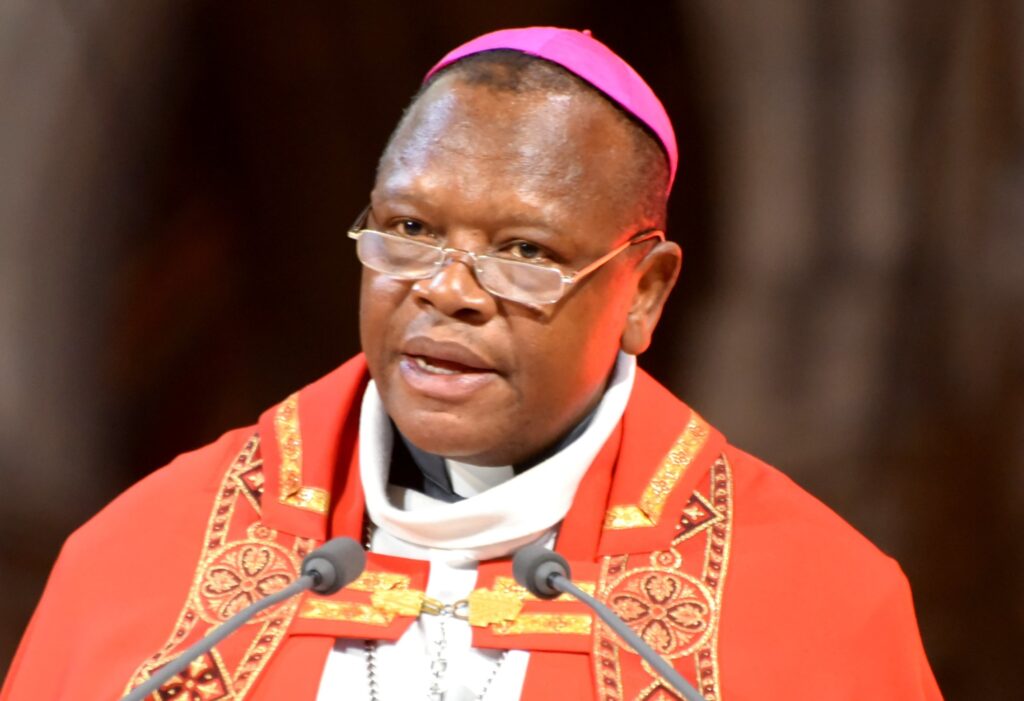
Cardinal of the DRC Fridolin Ambongo, Archbishop of Kinshasa | Photo Wikimedia
“To the Catholic Church, which is already mobilized, and to the Protestant Church: rise up and stand firm to block all these schemes,” declared the Cardinal, before warning that “the days ahead will be difficult.” “When the time comes, when they persist in trying to push these laws through, they must find us in their way,” he warned.
Echoing this caution, Father Donatien Nshole, Secretary General of CENCO, reinforced the Church’s long-standing position that the state’s current fragility makes any constitutional tampering a dangerous provocation, noting: “The principle of constitutional amendment is enshrined in the constitution itself… given the current security situation, it would be risky for the bishops to open the chapter on constitutional amendment in a context that lacks consensus”.
As the Catholic Church hardens its stance, reports indicate that the Tshisekedi administration is pivoting toward a different spiritual power base: the growing network of evangelical and revivalist churches. Observers and analysts suggest that the president is courting these influential, often less overtly political, spiritual leaders to act as a counterweight to CENCO’s moral authority. In this volatile climate, President Tshisekedi has attempted to frame his potential future as a matter of popular mandate rather than personal ambition. During a nationally televised press conference, he addressed the prospect of a third term, stating: “I did not ask for a third term, but I tell you this: if the people want me to have a third term, I will accept”.
In the corridors of power, the Union Sacrée de la Nation (USN) continues to drive the narrative that the 2006 Constitution is a relic of a bygone era. Yet, the opposition has responded with a rare moment of tactical unity. By forming the “Article 64” (C64) platform—named for the constitutional provision that mandates the defense of the state against subversion—figures like Martin Fayulu and others have signaled that they are preparing for a wider campaign of civil resistance, including a planned “ville morte” (ghost town) strike.
The main leaders of the C64 coalition include Martin Fayulu (ECiDé), Moïse Katumbi (Ensemble pour la République), Delly Sesanga (Envol), Jean-Marc Kabund (Alliance pour le Changement), and Augustin Matata Ponyo (LGD). The coalition also incorporates members of Joseph Kabila’s PPRD, a notable inclusion given that Kabila oversaw the controversial transfer of power to Félix Tshisekedi—effectively bypassing the 2018 election results—with the endorsement of Corneille Nangaa, the current coordinator of the AFC/M23. Today, all these disparate political forces have aligned themselves within the opposition.
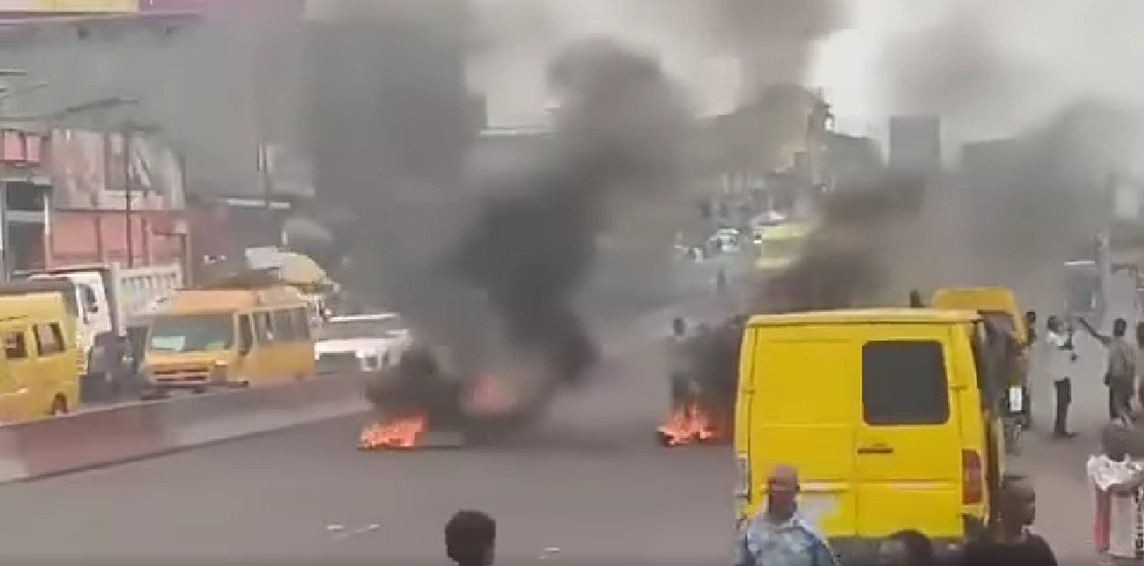
Demonstration by activists from the opposition party ECiDé—Martin Fayulu’s party—in Masina on May 28, 2028, which managed to paralyze a section of Lumumba Boulevard during the morning.
The rhetoric within this coalition is increasingly militant, reflecting a deep-seated fear that the reform agenda is a precursor to authoritarianism. Opposition activist Prince Epenge explicitly warned of the potential consequences, stating: “If the UDPS persists in its reckless pursuit of changing the constitution, it will not only legitimize war but also risk leading the country into civil war. It is time for the people to rise up and say ‘Stop'”.
Political tension has also spilled over into Parliament. On Wednesday, May 27, deputies from the “Ensemble” group—the only opposition force in the National Assembly—boycotted the review of the bill initiated by Deputy Paul Gaspard Ngondankoy concerning the procedures for organizing a referendum. The text had been deemed admissible, subject to amendments, by the Political, Administrative, and Legal Commission (PAJ).
Beneath this high-stakes political maneuvering lies the grim reality of the common citizen. In the bustling markets of Kinshasa and the remote villages of the interior, the “constitutional debate” is often viewed through the lens of survival. Recent days have seen a surge in localized unrest. In various neighborhoods across Kinshasa, protesters have taken to the streets to express their discontent, with reports of burning tires blocking major arteries—a classic tactic of urban resistance in the city.
The disconnect between political elites and the masses is palpable; as one market trader in downtown Kinshasa lamented during a recent interview: “They are fighting over the law, but who cares about the price of chikwangue?”. This sentiment captures the growing frustration of a population that sees the political class’s obsession with constitutional reform as a distraction from the persistent inflation and economic precarity that define their daily struggle.
Cet article est également disponible en