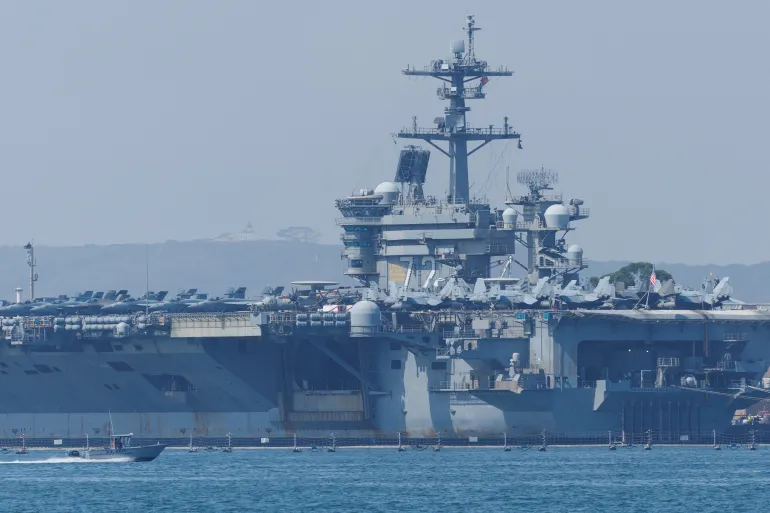
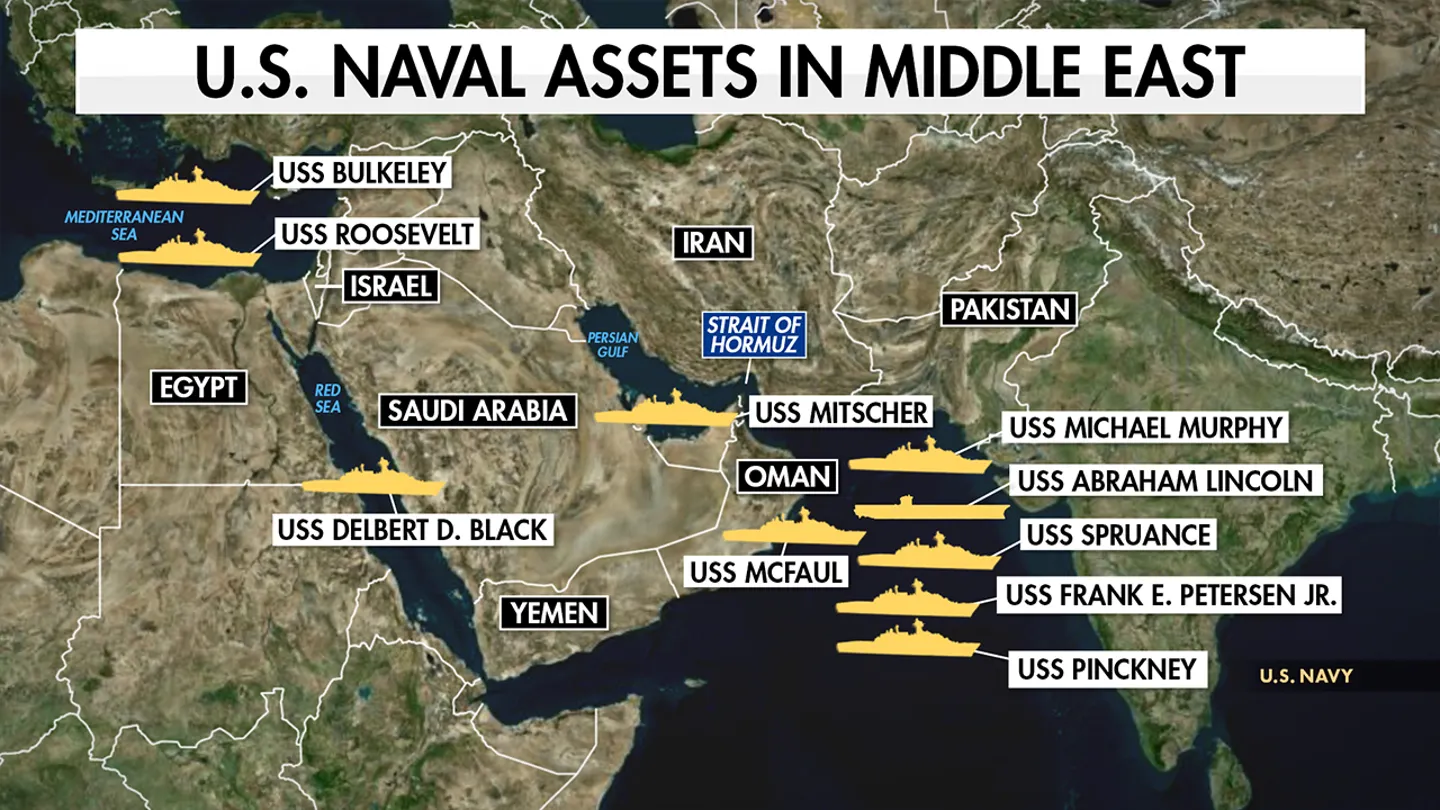
The USS Abraham Lincoln, a Nimitz-class nuclear-powered aircraft carrier that has been deployed to the Arabian Sea, is seen at Naval Air Station North Island in San Diego, California, on August 11, 2025 [Mike Blake/Reuters
The sirens have fallen silent over Tehran and Tel Aviv, replaced by the hushed, tense atmosphere of the Islamabad Serena Hotel. But the silence is deceptive. It is the silence of a planet holding its breath as the true price of Operation Epic Fury is finally tallied on the ledger of human suffering and economic ruin.
The Human and Material Cost
The war between the United States, Israel, and Iran has already exacted a devastating toll. Independent monitors estimate that more than 3,500 Iranians have been killed, including 1,600 civilians and 244 children, while 1,300 Lebanese lost their lives in Israeli strikes against Hezbollah positions. The United States has lost 15 service members and suffered more than 300 wounded, while Israel has counted 19 dead and dozens injured in missile and drone attacks.
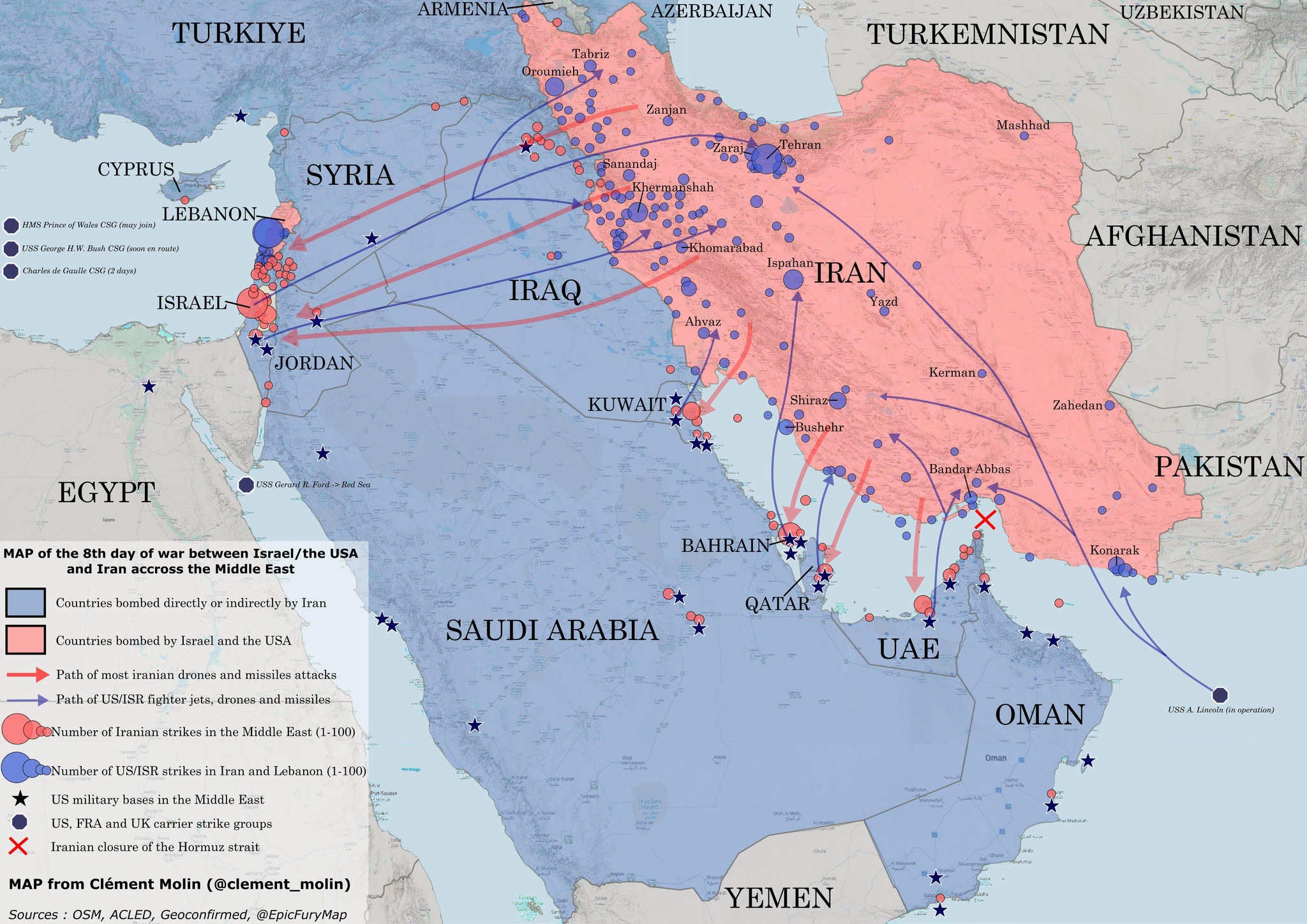
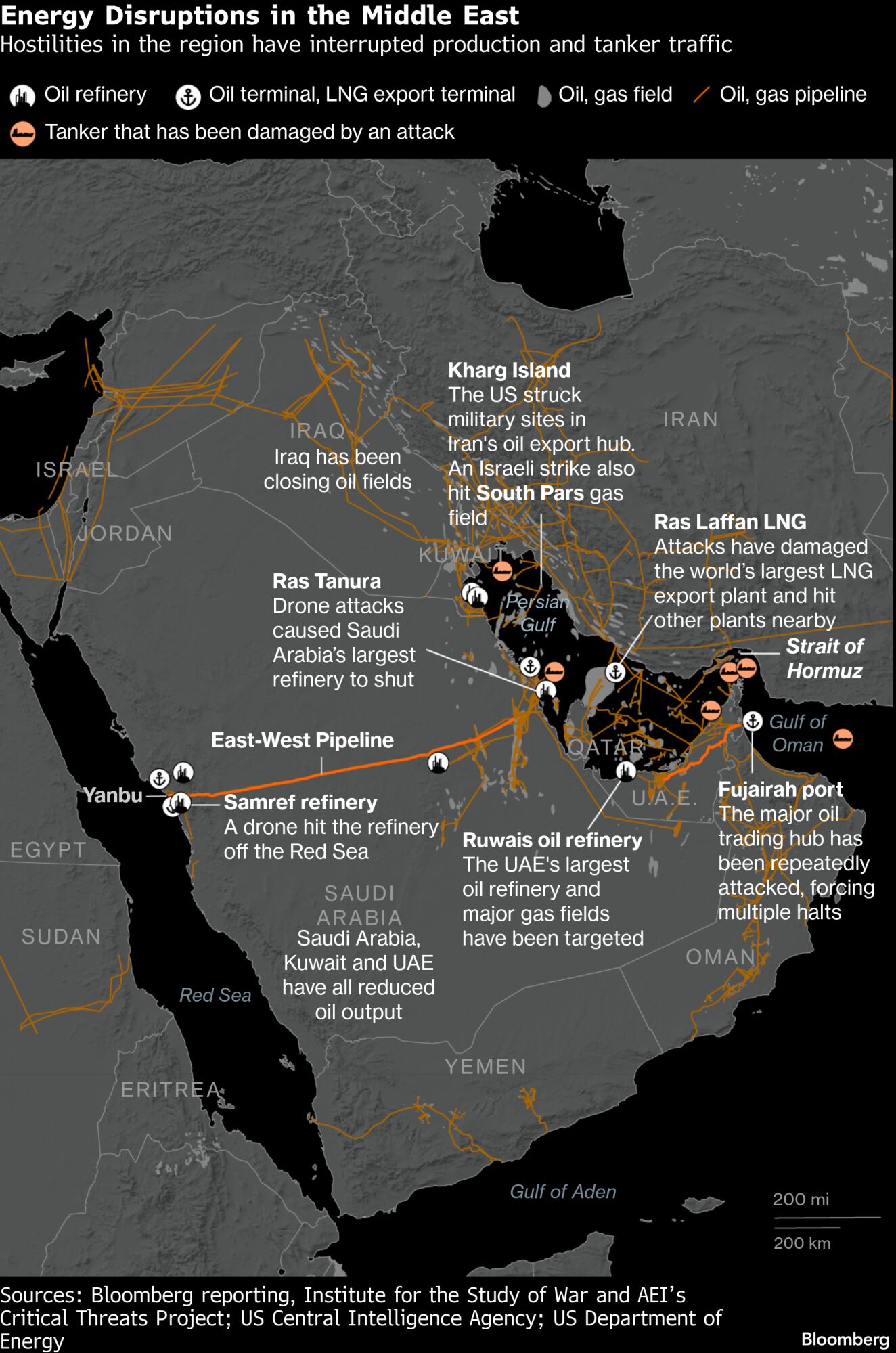
The destruction of military hardware has been equally staggering. Iran has lost 55 aircraft and 27 naval vessels, while the U.S. has seen 17 aircraft destroyed or downed. Israel has lost seven manned aircraft and suffered damage to radar and missile defense systems. Analysts estimate the U.S. is burning through half a billion dollars per day, with destroyed equipment alone costing around 50 million daily. Iran’s economic losses are even more catastrophic: $145 billion in damage after just 40 days of war, including factories, power plants, airports, bridges, and universities reduced to rubble. Civilian infrastructure has not been spared. Gulf states have seen refineries, oil fields, and ports hit by Iranian missiles and drones. A petrochemical plant in the UAE halted production, Kuwait’s oil sector was disrupted, and shipping through the Strait of Hormuz—the artery of global energy trade—has been repeatedly blocked.
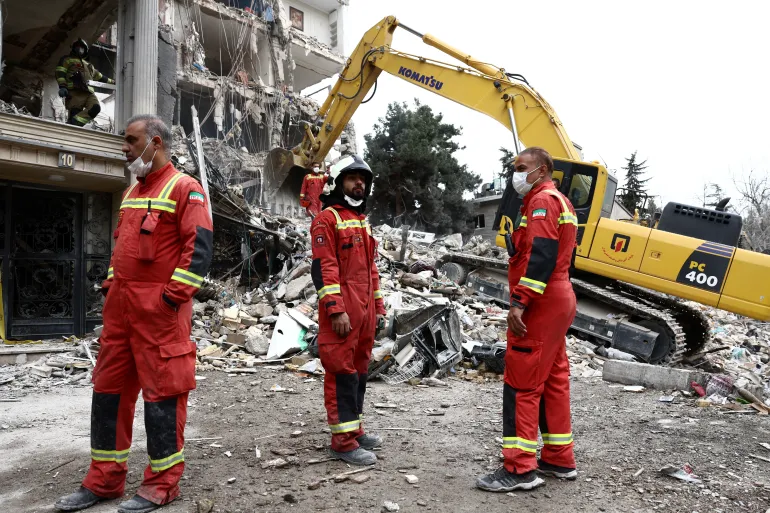
Emergency workers gather at the site of a strike on a residential building in Tehran, Iran, March 23, 2026 [Majid Asgaripour/WANA via Reuters]
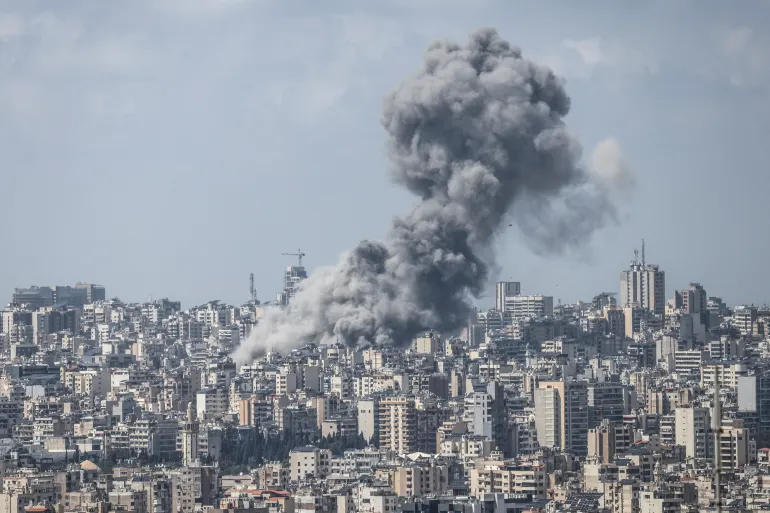
Smoke rises from the sites of Israeli air strikes on Beirut and its southern suburbs [AFP]
The Negotiation Table: Blueprints for a Fragile Peace
It is against this backdrop of blood and bankruptcy that the delegates have gathered in Islamabad. The negotiations have moved beyond rhetoric into a cold, transactional exchange of “red lines.” Led by VP JD Vance and Steve Witkoff for the U.S., and Mohammad Bagher Ghalibaf for Iran, the talks are a collision of two survivalist strategies.
The U.S. Perspective: “Total Restructuring”
The Trump administration is not looking to resurrect old deals. Their goal is the permanent removal of Iran’s ability to project power or threaten nuclear breakout.
- The Requests: U.S. negotiators are demanding “Nuclear Erasure”—the total dismantlement of enrichment facilities and the handover of all highly enriched uranium to the IAEA. Furthermore, they demand the unconditional reopening of the Strait of Hormuz and strict caps on ballistic missile ranges.
- The Incentives: In exchange, Trump is dangling “Sweeping Sanctions Relief” and “Tariff & Trade” incentives, potentially opening the U.S. market to Iranian goods to jumpstart their ruined economy.
- The Refusals: Washington will flatly refuse any deal that allows Iran to continue domestic enrichment or provides guarantees for the survival of the current clerical system.
The Iranian Perspective: “Fortress Survival”
Under the shadow of the new Supreme Leader, Ayatollah Mojtaba Khamenei, Tehran is playing a high-stakes game of defensive leverage.
- The Requests: Iran demands formal U.S. recognition of its “sovereign right” to peaceful nuclear enrichment and the immediate removal of all UN and U.S. sanctions, accompanied by reparations for war damages.
- The Incentives: Tehran offers a “Nuclear Freeze”—a multi-year moratorium on high-level enrichment—and the “Hormuz Key,” promising to reopen the Strait in exchange for a joint regional security framework.
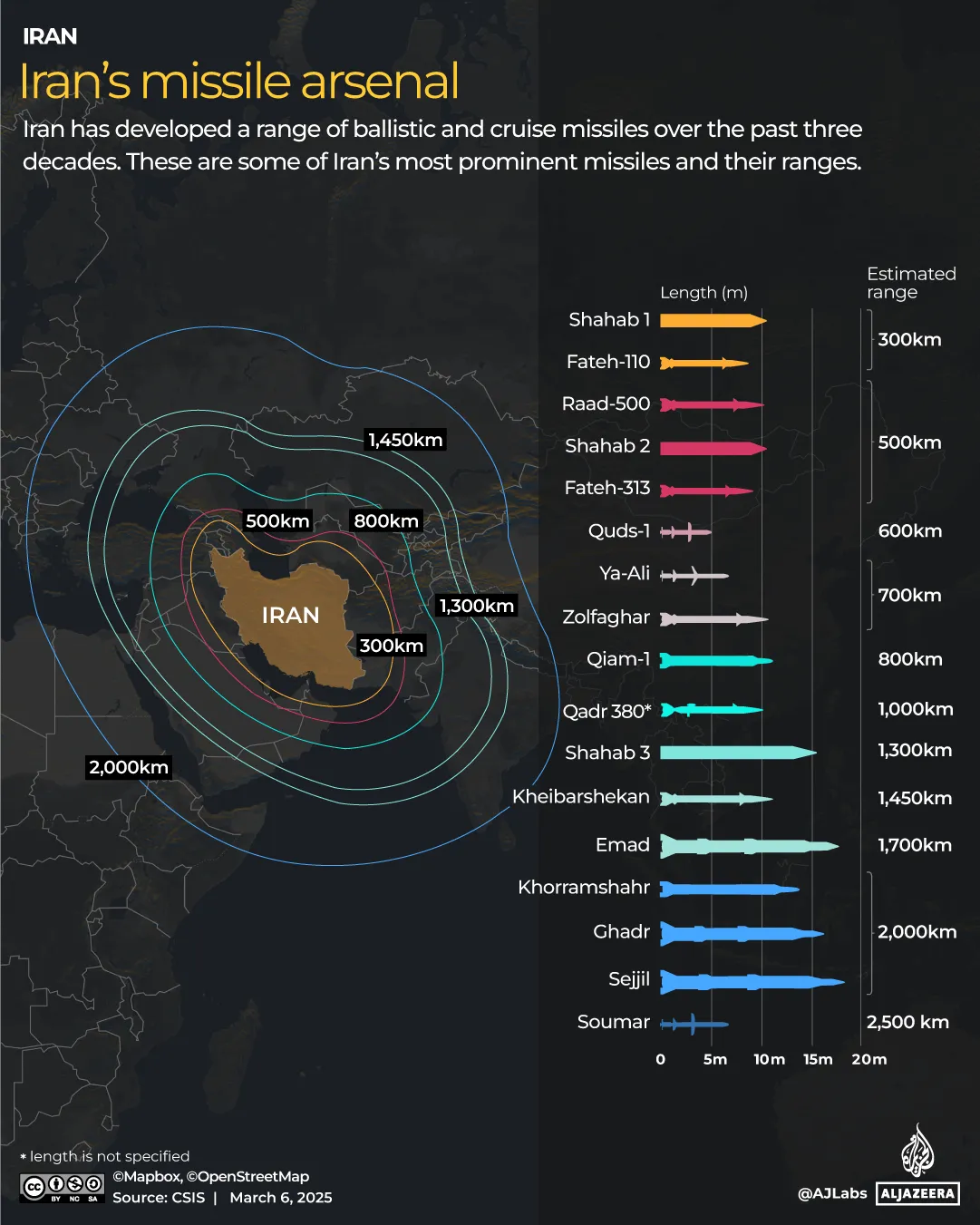
- The Refusals: Mojtaba’s team refuses to dismantle the missile program, viewing it as their only deterrent. Most crucially, they refuse any formal recognition of Israel or internal intervention regarding human rights.
The Stumbling Blocks: Why the Standoff Hardens
Despite the mutual exhaustion, three “poison pills” threaten to derail the Islamabad Summit:
- The Israel Factor: Prime Minister Netanyahu’s “Phase Two” objective is the total removal of Hezbollah from the Litani River. If the U.S. accepts a deal that leaves the “Axis of Resistance” intact, Israel may act alone, rendering these talks moot.
- The “Hormuz Toll”: Tehran wants to formalize a system of payments for ships to transit the Strait. Trump has labeled this “extortion,” while Mojtaba views it as a non-negotiable right of sovereignty.
- Prestige vs. Pragmatism: Trump’s “Dealmaker” ego and Mojtaba’s “Revolutionary” legacy leave little room for the public concessions required for a signed treaty.
The Verdict on Concessions
The most likely outcome of the Islamabad Summit is not a grand treaty, but a “Freeze-for-Fees” arrangement. In this scenario, Iran would reopen the Strait and allow an IAEA “verification tour” in exchange for the U.S. unfreezing $50 billion in oil revenues to stabilize the crashing Iranian Rial (IRR).
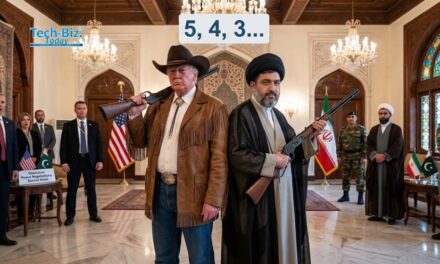
However, with both leaders essentially “stacked” back-to-back with rifles drawn, the probability of failure remains high. If the “Brutal Arithmetic” of war doesn’t force a compromise now, the next stage will not be a negotiation—it will be a total regional collapse that no amount of diplomacy can fix.
The world waits. The countdown—5, 4, 3…—continues.
Addendum – The Islamabad Collapse: the US-Iran ‘Standoff’ Remains
April 12, 2026 — Late this evening, the heavy doors of the Serena Hotel’s diplomatic salons opened to reveal a grim reality: the high-stakes negotiations between Washington and Tehran have officially collapsed. Despite 21 hours of intense dialogue and the looming shadow of a $145 billion economic ruin, the two sides were unable to bridge a divide that has now hardened into a permanent deadlock.
The “Hormuz Toll” vs. Freedom of Navigation
The most immediate breaking point was the legal status of the Strait of Hormuz. Tehran insisted on a “Sovereignty Fee”—a formal system where international shipping would pay a transit tax to the Iranian Revolutionary Guard Corps (IRGC) to “guarantee security.” President Trump personally intervened via secure line, labeling the demand as “state-sanctioned extortion, now promising a blokcade of the Strait.” Washington refused to sign any accord that didn’t include an unconditional, free-access guarantee for all global energy trade.
“Nuclear Erasure” vs. “Domestic Enrichment”
While both sides agreed on a temporary “freeze” in principle, they could not agree on the finality of Iran’s nuclear infrastructure. The U.S. delegation, led by VP JD Vance, demanded “Nuclear Erasure”—the physical dismantlement of enrichment centrifuges. Supreme Leader Mojtaba Khamenei’s team viewed this as a “surrender document,” refusing to abandon the “sovereign right” to enrich uranium for civilian power.
The “Litani Shadow” (The Israel Factor)
Even as the U.S. and Iran sat at the table, the influence of Tel Aviv hung over the room. Israel made it clear that any “off-ramp” provided to Iran that did not include the total withdrawal of Hezbollah from the Litani River in Lebanon would be met with unilateral military action. Iran refused to “abandon its regional shield,” and the U.S. was unable to provide the security guarantees required to keep Israel from launching “Phase Two” of the conflict.
A Return to the Trenches
The Islamabad Summit has ended not with a handshake, but with a return to the trenches. As the delegations depart, the global market is bracing for a fresh spike in oil prices and a continuation of the “No-Win War.” With U.S. inflation hitting record highs due to the energy crisis, the domestic pressure on the Trump-Vance administration is set to reach a breaking point.
Editorial Note: This addendum to the report was finalized minutes after the U.S. delegation’s motorcade was just leaving the Serena Hotel. The failure of these talks confirms the “Brutal Arithmetic” outlined in our previous coverage.