Feature Series 3: DRC Mineral Deals — Governance Fragility, Asymmetric Accords, and Collateral Damage
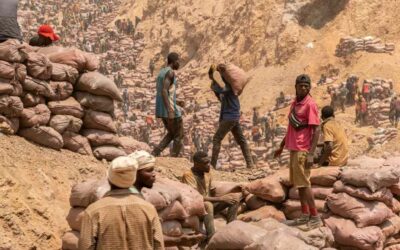
The entry of major U.S. institutional capital, DFC de-risking mechanisms, and infrastructure funding along the Lobito Corridor offers genuine opportunities to diversify the nation’s investor base, upgrade legacy transport networks, and re-balance a decades-long single-market dependency. However, if these strategic agreements continue to operate as transactional “minerals-for-security” bargains negotiated under conditions of executive opacity and territorial distress, they risk repeating the extraversion patterns of the past.
Feature Series 2: DRC Mineral Deals — Governance Fragility, Asymmetric Accords, and Collateral Damage
Beyond external geopolitical pressures and asymmetric mineral accords, Kinshasa faces a converging three-pronged domestic resistance movement that directly challenges the state’s economic and political legitimacy.
Feature Series: DRC Mineral Deals — Governance Fragility, Asymmetric Accords, and Collateral Damage
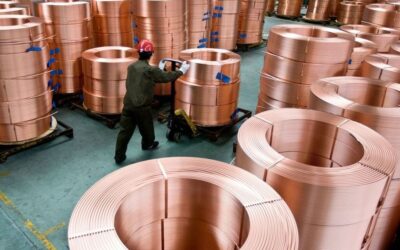
Under the banner of the U.S.-mediated Washington Accords, the United States and the Democratic Republic of the Congo (DRC) have operationalized a Strategic Partnership Agreement (SPA) designed to grant American capital preferential access to the world’s richest copper, cobalt, and lithium deposits. Following years of dominant Chinese presence across the Katanga copper-cobalt belt, Washington’s commercial entry has mobilized near-unprecedented financial architecture.
Has the Thucydides Trap Been Avoided? Inside the G2 Poker Game of the Trump-Xi Summit
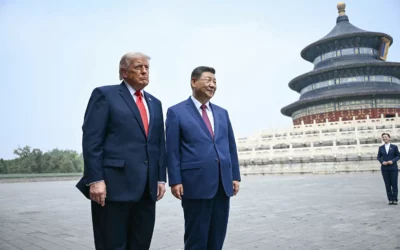
From May 13 to 15, 2026, U.S. President Donald Trump’s high-profile state visit to Beijing marked a profound turning point in modern global governance. Behind the gilded halls of the Zhongnanhai Garden and the 21-gun salutes at the Great Hall of the People, this meeting was far more than standard diplomatic choreography
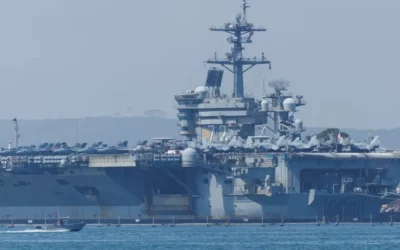
Counting the Cost: Anatomy of the US-Iran Peace Standoff
The sirens have fallen silent over Tehran and Tel Aviv, replaced by the hushed, tense atmosphere of the Islamabad Serena Hotel. But the silence is deceptive. It is the silence of a planet holding its breath as the true price of Operation Epic Fury is finally tallied on the ledger of human suffering and economic ruin.

Counting the Cost of Epic Fury: the US-Iran Impasse
The silence in the Strait of Hormuz is the most expensive quiet in history. With Brent Crude hovering near $120 a barrel, the “success” of Operation Epic Fury is being debated not in military war rooms, but in the power-starved manufacturing hubs of Europe, or the Kigali markets. What began on February 28 as a joint U.S.-Israeli decapitation strike has devolved into a structural crisis that has pit allies against each other and turned the 2026 U.S. Mid-terms into a referendum on global stability.
Cet article est également disponible en