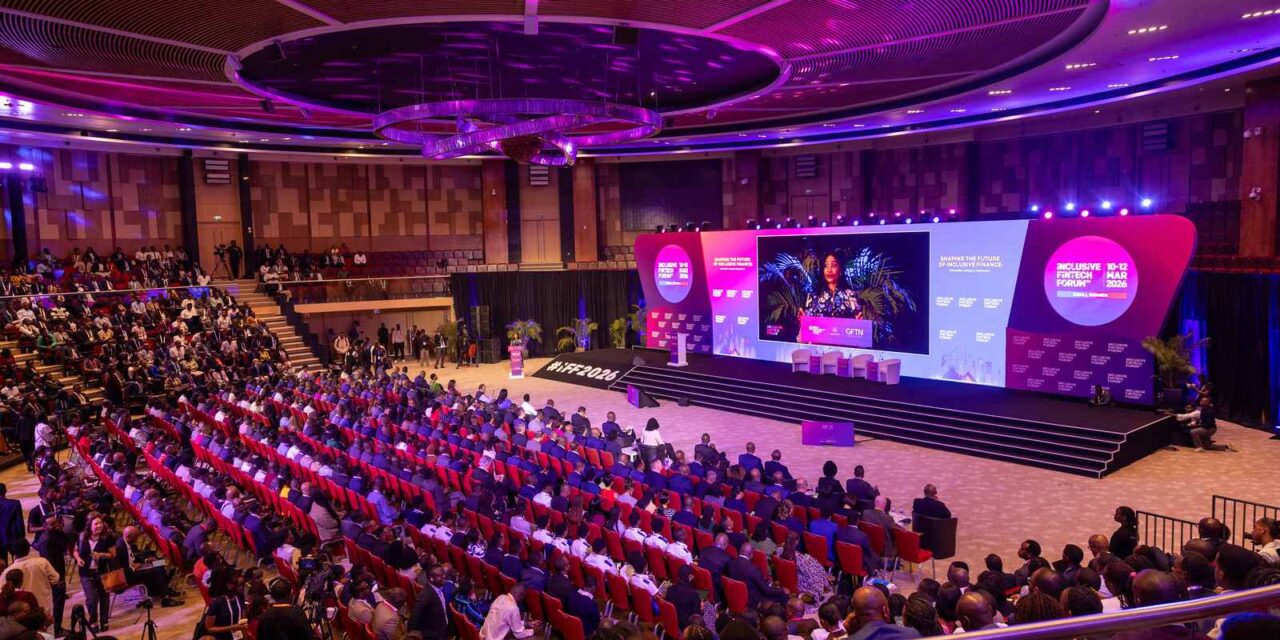
Delegates attending the Inclusive FinTech Forum (IFF), Kigali Convention Center, 10-12 March 2026 | Photo Kigali Today
In the bustling heart of the Kigali Convention Centre, the air hummed with a specific kind of electricity that usually precedes a tectonic shift in industry. Between March 10th and 12th, 2026, the Inclusive Fintech Forum (IFF) was not merely a series of speeches; it was a high-stakes “war room” designed to dismantle the silos of Africa’s digital economy. Hosted by the Kigali International Financial Centre (KIFC) in collaboration with the National Bank of Rwanda (BNR) and the Singapore-based Global Finance & Technology Network (GFTN), the forum drew over 3,000 global delegates, including central bank governors, tech titans, and hundreds of determined fintech founders.
During these sessions, it became clear that the objective was to move beyond the success of mobile money toward true Financial Sovereignty. The discussions were anchored by four pivotal themes that addressed the continent’s most persistent roadblocks. At the forefront was the creation of Africa’s Digital Currency Corridor, a strategic move to bypass the expensive and slow routing of payments through foreign intermediary banks. By leveraging Central Bank Digital Currencies (CBDCs) and stablecoins, the goal is to allow a merchant in Kigali to settle a trade with a partner in Accra instantly, effectively ending the continent’s reliance on the US Dollar for regional trade. This initiative is supervised by the Regulatory Sandbox frameworks established by the
“The future of financial services is completely different from the brick-and-mortar infrastructure that has delivered so much,” James Mwangi, CEO of Equity Group Holdings, said.
The transformation of identity was another core pillar, specifically through AI-Powered Financial Inclusion. For the millions of Africans in the informal sector who lack traditional credit scores, the forum highlighted how AI can turn “alternative data”—such as mobile money history and utility payments—into a legitimate financial voice. However, this push came with a stern warning regarding Responsible AI, ensuring that algorithms do not inadvertently bake in biases against rural or vulnerable populations. This conversation aligns with the broader goals of the Smart
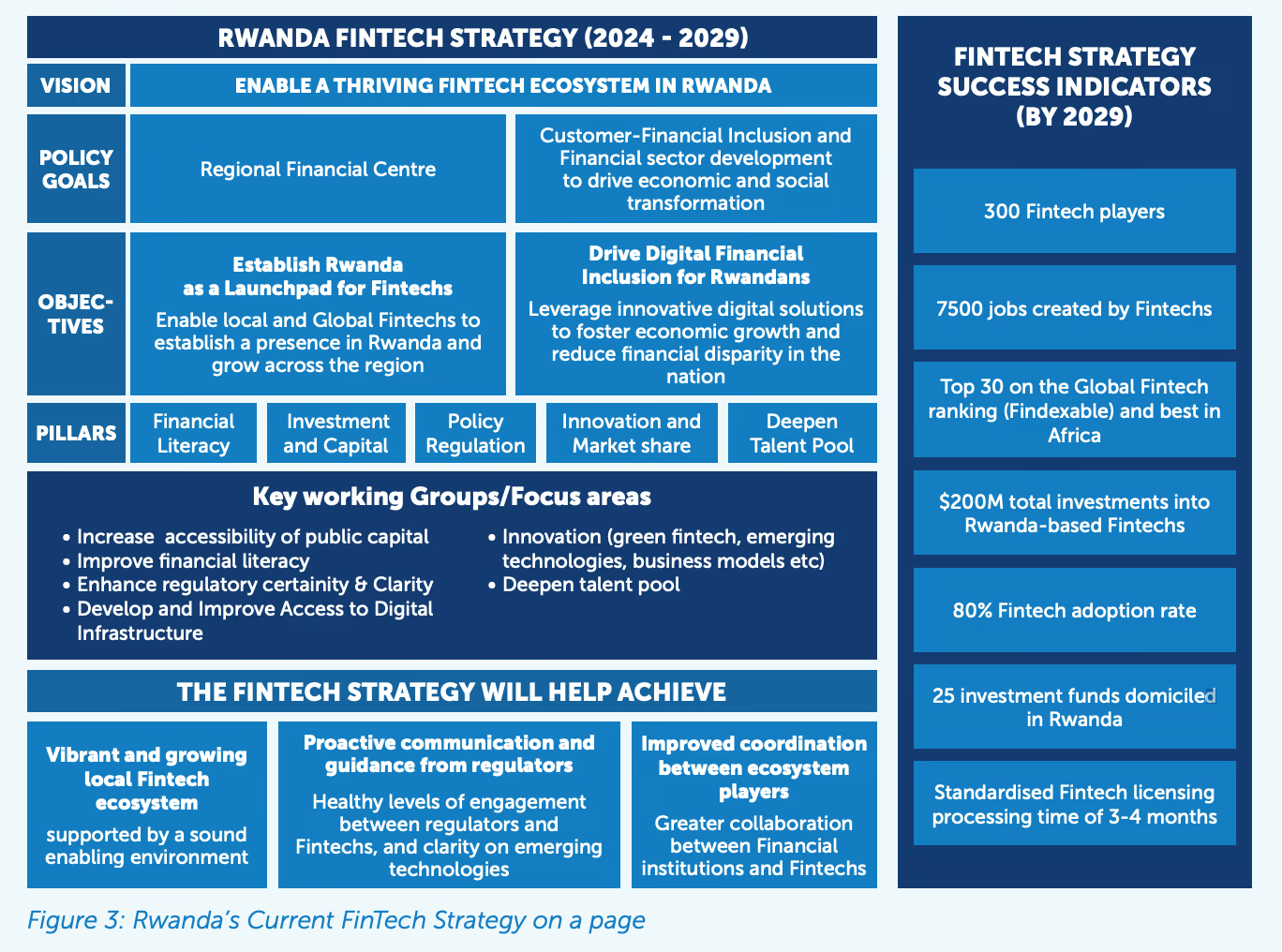
Parallel to this, the move toward Open Finance Ecosystems sought to break the data monopolies held by traditional banks. By creating a secure, regulated environment where financial data can be shared with customer consent, the forum aimed to foster a “plug-and-play” economy where innovation is not stifled by gatekeepers. This vision is intrinsically linked to the most significant outcome of the three-day summit: the expansion of the FinTech License Passporting agreement. Originally pioneered between Rwanda and Ghana, this “Schengen Visa for money” allows a fintech licensed in one jurisdiction to operate across others without the crippling red tape of local re-application.
The ripple effects of this passporting agreement are profound, particularly for the final anchor theme: Climate FinTech. Because climate change recognizes no borders, the ability for a startup to scale weather-indexed insurance or carbon credit marketplaces across the entire East African rift valley in one go is revolutionary. It allows global “Green Capital” to flow through a single, compliant pipeline to reach the smallholder farmers who need it most. As the forum concluded, the consensus was undeniable: the era of brick-and-mortar limitations is fading. The “Kigali Verdict” has set the stage for a borderless, digital-first Africa where technology is a public utility, and financial access is a fundamental right.